
Fast Read
The typical 13.2kW solar system cost in Brisbane in 2025 ranges from $9,000 to $15,000 after the federal government rebate is applied. The final price you pay depends heavily on the quality of the components you choose, with premium solar panels and inverters placing a system at the higher end of that range. This guide will walk you through the costs, the best brands on the market, and the government incentives available to you.
Hello! It’s Gigi here. If you’re looking into a larger solar system for your home, you’ve probably seen the number “13.2kW” pop up a lot. It’s a popular size for larger Brisbane households with high energy usage, perhaps with a pool, ducted air conditioning, or an electric vehicle.
But figuring out the real, all-inclusive price can feel like navigating a maze. I’ve spent the time digging into the numbers, speaking with industry experts, and decoding the latest incentives to give you a clear and simple breakdown. Let’s ask the “silly” questions together and get you some straightforward answers.
What is the real 13.2kW solar system cost Brisbane in 2025?
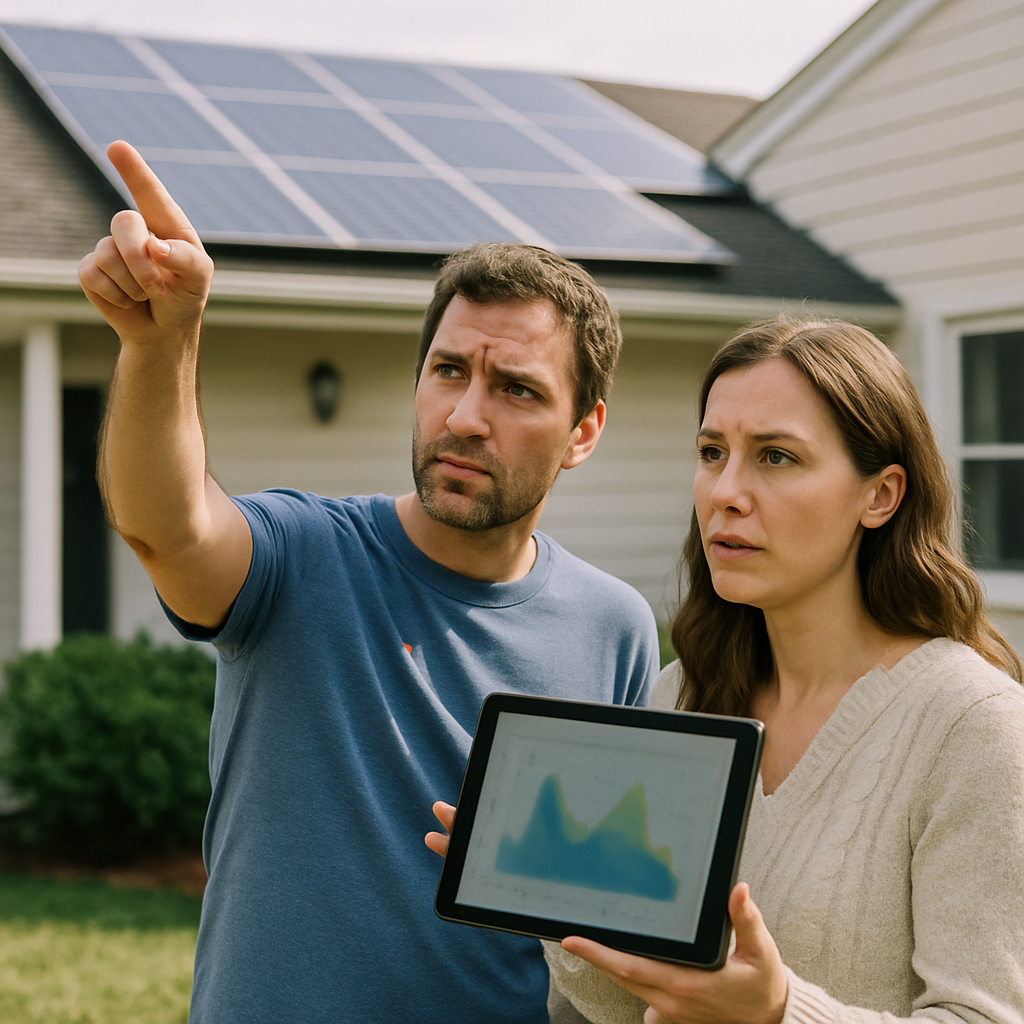
After the main federal government rebate is applied, the average 13.2kW solar system cost in Brisbane sits somewhere between $9,000 and $15,000. Some quotes for basic systems might start a little lower, around $8,000, while top-of-the-line premium systems can push towards $18,000 or more.
This price typically includes the solar panels, a 10kW inverter (this is standard for a 13.2kW panel setup on a single-phase home), professional installation by an accredited team, and all the necessary approvals.
The significant price variation comes down to one key factor: the quality of the equipment you choose.
Why the big price range? Standard vs. premium systems
It’s tempting to just go for the cheapest quote, but understanding what you’re paying for is crucial for a system that will last for 25+ years.
- Standard Systems ($9,000 – $12,000): These systems use reliable, budget-friendly Tier 1 panels and inverters from major global manufacturers. They offer solid performance and are a great entry point into solar for many households.
- Premium Systems ($13,000 – $18,000+): These systems feature panels with industry-leading efficiency and longer warranties, often from brands like SunPower or REC. They are paired with high-end inverters, usually European-made like Fronius, which can add over $1,500 to the cost compared to a budget model. Choosing premium components can increase the total system cost by 30-50% or more.
Gigi’s pro tip: A premium system often performs better in high heat (a big plus for Brisbane) and degrades slower over time, meaning you generate more power over the life of the system.
Choosing your panels: Top tier 1 solar panel brands for 2025
You’ll hear the term “Tier 1” a lot. It’s important to know that this is a ranking from Bloomberg that measures a manufacturer’s financial stability and bankability, not necessarily the quality of the panel itself. However, it’s a good indicator that the company is likely to be around to honour its long warranties.
Here are some of the most trusted and popular Tier 1 panel brands available in Australia for 2025:
- Best for Premium Performance: If you want the highest efficiency and longest warranties, look at brands like SunPower (up to a 40-year warranty!) and REC. They cost more upfront but deliver exceptional long-term value.
- Best for Excellent Value: Brands like Jinko Solar, Trina Solar, and Q Cells offer a fantastic balance of performance, reliability, and affordability. They are incredibly popular choices for residential installations across Australia for good reason.
The heart of your system: Best residential solar inverters for 2025
The inverter is the brain of your solar operation, converting the DC electricity from your panels into the AC electricity your home uses. This is not a component you want to skimp on. A good inverter improves system performance and reliability.
Based on feedback from Australian installers, these are the top brands for 2025:
- Premium Choice (The Austrian Workhorse): Fronius is consistently ranked as the best inverter brand in Australia by installers. They are known for their reliability, excellent local support, and smart monitoring features.
- The Best All-Rounder (Value & Performance): Sungrow offers rock-solid reliability and fantastic features at a more accessible price point, making it another top choice for installers.
- Other Trusted Options: Brands like GoodWe offer great value for money, while Enphase (using microinverters under each panel) and SolarEdge (using power optimisers) are brilliant solutions for homes with complex roofs or shading issues.
How Queensland government solar incentives reduce your final cost
The prices I’ve mentioned already have the main government incentive built-in, but it’s helpful to know what you’re getting.
- The Federal Rebate (STCs): The biggest discount comes from the Small-scale Renewable Energy Scheme (SRES), which provides Small-scale Technology Certificates (STCs). Your installer claims these on your behalf and applies the discount directly to your quote—so you don’t have to do any paperwork. This rebate is being gradually phased out and its value reduces slightly each January until it ends in 2030.
- The Cheaper Home Batteries Program: As of 1 July 2025, the federal government is also offering a significant rebate for households installing a new solar battery. This program can save you thousands on a battery, providing a capped discount that can reduce the upfront cost by around 30%. For example, a typical 11.5 kWh battery could see a rebate of approximately $4,000. This is a separate incentive from the STC rebate for panels.
- Feed-in Tariffs (FiT): In Brisbane and the rest of South East Queensland, the FiT is the small credit your electricity retailer pays you for any excess solar energy you send to the grid. These rates are not set by the government and vary between retailers, typically ranging from 6c to 10c per kWh. Because these rates are lower than what you pay for electricity, you save the most money by using your solar power yourself during the day.
Your simple next steps
Investing in a 13.2kW solar system is a big decision, but it’s one that can drastically reduce your electricity bills for decades to come, especially for larger, energy-hungry homes in sunny Brisbane.
My best advice is to get at least three quotes from different, highly-rated local installers. Make sure they are accredited by Solar Accreditation Australia (SAA) and that they take the time to analyse your energy bills and recommend a system that’s right for your home, not just the one they want to sell.
If you’re ready for a proper quote, I can introduce you to a trusted, SAA-accredited local expert who can provide a detailed, no-obligation proposal for your home—just fill out the form below.
