
Fast Read
The short answer is no, you can’t add just any battery to your solar system in Queensland. The battery you choose must be compatible with your existing setup, particularly your inverter, and meet strict Australian standards. Retrofitting a battery is definitely achievable for most homes, but it requires careful planning to ensure it's safe, efficient, and eligible for any available rebates.
Hello neighbour! If you’re one of the many Queenslanders with solar panels already soaking up our beautiful sunshine, you’re probably wondering about the next logical step: adding a battery. It’s a brilliant thought. Storing that excess daytime energy for use at night or during a blackout is the key to true energy independence.
But as I’ve discovered, it’s not quite as simple as picking a battery off the shelf. Answering the question “Can I add any battery to my solar system QLD?” involves a few important checks to make sure your investment is a smart one. Let’s walk through them together.
First things first: adding a battery to an existing solar system in Queensland
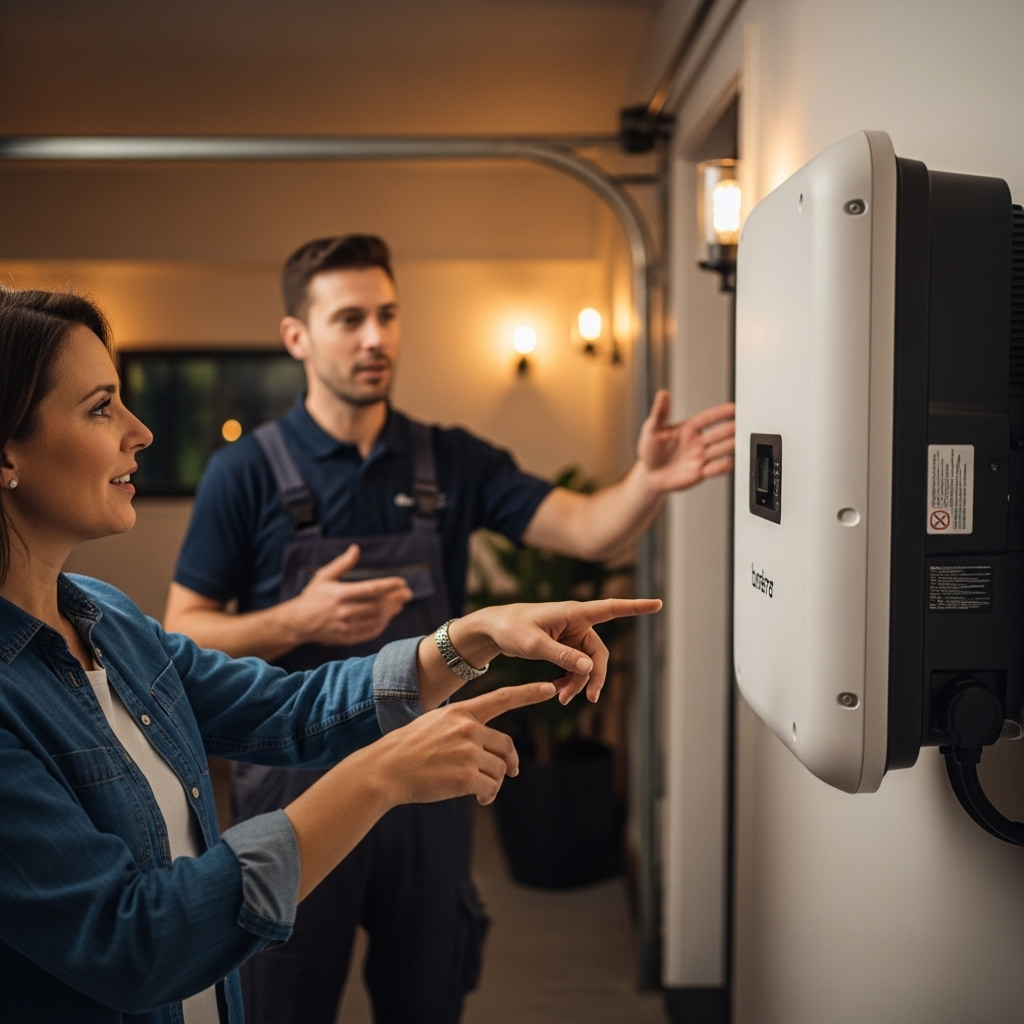
The great news is that yes, in most cases, you absolutely can add a battery to your existing solar system. This process is called ‘retrofitting’. It turns your solar panels from a simple daytime power generator into a 24/7 energy solution.
However, the success of a retrofit depends heavily on your current system. Key factors include the age and condition of your panels and, most importantly, your inverter. If your system is over 10 years old, it’s worth getting a professional to assess if an upgrade is economically sensible.
The heart of the matter: solar battery compatibility with existing inverters
Your inverter is the brain of your solar setup, converting the DC power from your panels into the AC power your home uses. When you add a battery, the inverter’s role becomes even more crucial.
- Standard Inverters: Most older solar systems have a standard inverter designed only to manage panels. These are not ‘battery-ready’.
- Hybrid Inverters: A hybrid inverter is a modern, all-in-one unit designed to manage solar panels, a battery, and the grid simultaneously.
If you have a standard inverter, you can’t just wire a battery into it. You’ll need a solution that allows the battery to integrate with your system, which brings us to a key decision: AC or DC coupling.
AC coupling vs DC coupling: what’s the difference for retrofitting?
This might sound technical, but the concept is quite simple and it’s the most common question I get from readers. It all comes down to how the battery connects to your system.
- AC Coupling: This is the most common and straightforward way to retrofit a battery. Your new battery comes with its own inverter, which is installed alongside your existing solar inverter. It takes the AC power from your solar inverter and converts it back to DC to store in the battery. Brands like the Tesla Powerwall are well-known AC-coupled systems. This method is flexible and works with almost any existing solar setup.
- DC Coupling: In this setup, you replace your existing inverter with a single, powerful hybrid inverter that manages everything—panels and battery. The DC power from your panels can flow directly into the battery without being converted first, making it slightly more efficient. This is often the best choice for new solar-and-battery installations, but can also be a great option if your current inverter is old and due for an upgrade anyway.
Gigi’s pro tip: For most people in Queensland simply wanting to add a battery to their existing solar system, AC coupling is the most practical and cost-effective path.
Queensland government regulations for installing solar batteries
Safety and compliance are non-negotiable. In Australia, any battery you install must be on the approved product list, which was historically managed by the Clean Energy Council (CEC). This list ensures the products have been tested and meet our strict safety and performance standards.
Crucially, the installation itself must be done by an accredited professional. The accreditation body is now Solar Accreditation Australia (SAA), which has taken over this role from the CEC to enhance standards and accountability. Using an SAA-accredited installer is not just for safety—it’s also a requirement for any government rebates.
Finding the right gear: CEC approved batteries and hybrid inverters

While installer accreditation has moved to SAA, the CEC still maintains the list of approved products like batteries and inverters.
- CEC Approved Battery List: This is your go-to resource for checking if a battery is compliant. It includes trusted brands like Tesla, Sungrow, BYD, GoodWe, and AlphaESS, among many others. An installer must use a battery from this list for your system to be considered compliant and eligible for rebates.
- Approved Hybrid Inverters: Similarly, if you opt for a DC-coupled system, the hybrid inverter must also be on the CEC’s approved list. Brands like SMA, Fronius, Sungrow, and GoodWe are popular choices in Queensland and are known for their reliability.
The big question: what is the cost of retrofitting a solar battery in Brisbane in 2025?
Let’s talk numbers. As of late 2025, adding a battery to your solar system in Brisbane will likely cost between $8,000 and $16,500, depending on the size and brand.
Here’s a rough guide to installed prices:
- Small (5–7 kWh): $5,500 – $8,000
- Medium (10–13.5 kWh): $9,000 – $14,000
- Large (15+ kWh): $15,000 – $20,000+
Factors that influence the final price include the battery’s capacity (kWh), the brand’s reputation, whether you need a new hybrid inverter, and the complexity of the installation (for example, if your switchboard needs an upgrade).
Are there any Queensland solar battery rebates in 2025?
This is where things have changed recently. The Queensland Government’s Battery Booster Program, which offered significant rebates, is currently closed to new applications.
However, the big news for 2025 is the Federal Government’s Cheaper Home Batteries Program, which started on 1 July 2025. This is a nationwide scheme that Queenslanders can access.
Here are the key details for the federal rebate:
- What it is: A significant upfront discount on the cost of your battery system.
- Rebate Value: It’s calculated based on the battery’s capacity, providing around $350-$370 per kWh. For a typical 10kWh battery, this could mean a saving of around $3,500 to $4,000.
- Eligibility: To qualify, you need to install an approved battery (from the CEC list) with a capacity between 5 kWh and 50 kWh. The installation must be done by an SAA-accredited professional. The program is open to all homeowners with a new or existing solar panel system.
So, what are my next steps?
Navigating the world of solar batteries can feel a little overwhelming, but it doesn’t have to be. The key takeaway is that while you can’t add any battery, you have many excellent, approved options that can be safely retrofitted to your Queensland home.
Start by thinking about what you want to achieve—is it blackout protection, lower power bills, or a smaller carbon footprint? Then, the next step is to talk to a professional.
If you’re ready for a proper quote, I can introduce you to a trusted, SAA-accredited local expert who can assess your current system and provide a tailored recommendation—just fill out the form below.