
Fast Read
The main difference in the Tesla Powerwall vs Sungrow battery comparison comes down to integration and flexibility. The Tesla Powerwall 3 is an all-in-one system with a built-in inverter, offering a fixed 13.5 kWh capacity and powerful backup performance, making it a premium, seamless solution. The Sungrow SBR battery is a modular system that offers excellent value and flexibility, with sizes starting from 9.6 kWh that can be expanded later, but it requires a compatible Sungrow hybrid inverter.
At a glance: Tesla Powerwall 3 vs Sungrow SBR battery
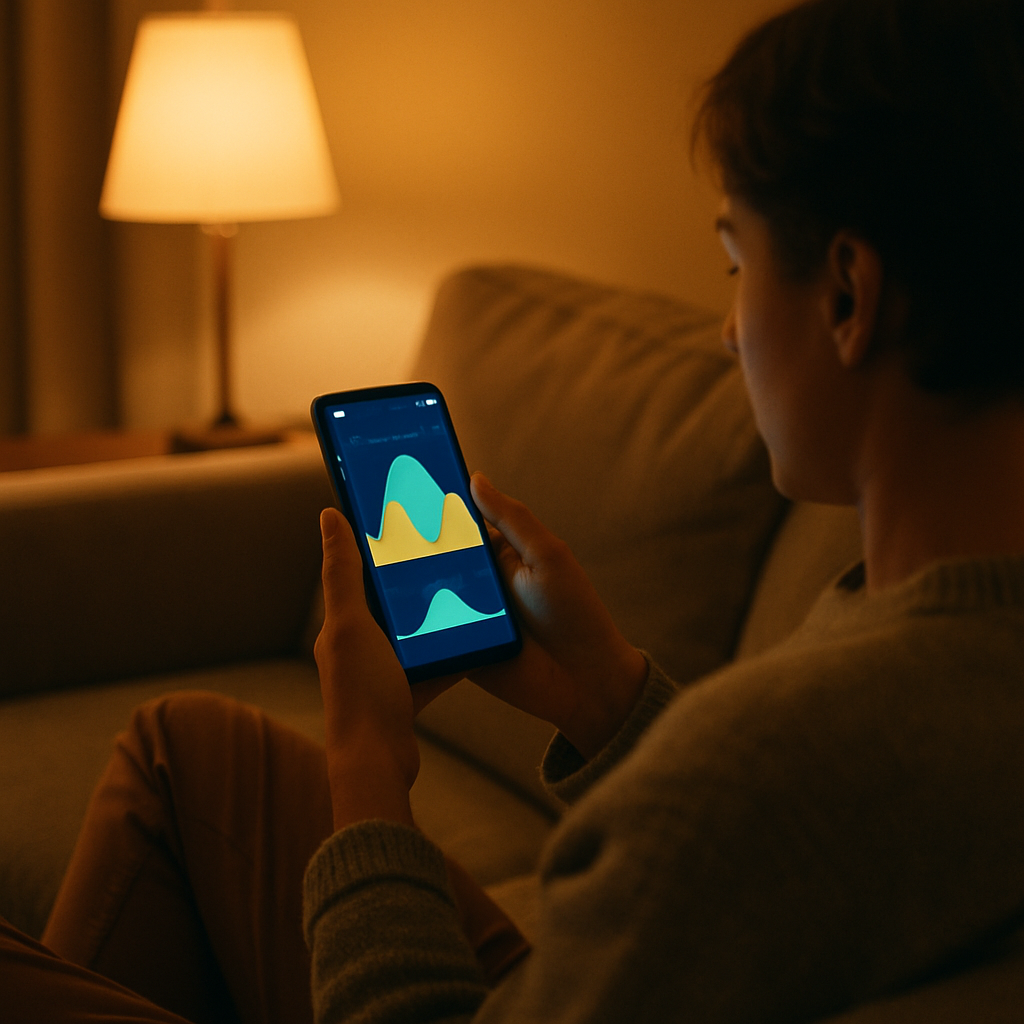
Before we dive deep, here’s a quick overview of how these two heavyweights stack up.
- Tesla Powerwall 3: Think of this as the Apple of home batteries. It’s a premium, all-in-one unit with a powerful 11.5 kW integrated inverter and a set 13.5 kWh of usable energy storage. It’s designed for seamless whole-home backup and is perfect for households that want a simple, high-performance solution from a globally recognised brand.
- Sungrow SBR Battery: This is the flexible, value-focused challenger. It’s a modular system, meaning you can start with a 9.6 kWh battery and add more 3.2 kWh modules later, up to 25.6 kWh in a single stack. This makes it a great choice if your budget is tighter upfront or if you think your energy needs might grow. It does, however, need to be paired with a separate Sungrow hybrid inverter.
Tesla Powerwall 3 technical specifications
The Powerwall 3, which rolled out in Australia in 2024, is a big step up from its predecessor, the Powerwall 2.
Here are the key specs:
- Usable capacity: 13.5 kWh. This is fixed and can power the average Aussie home’s evening energy needs.
- Integrated inverter: Yes, a powerful 11.04 kW solar inverter is built-in. This simplifies installation and means it can handle a large solar array (up to 20 kW).
- Continuous power output: 11.04 kW. This is more than double the Powerwall 2 and means you can run more high-power appliances simultaneously during a blackout, like air conditioning and a hot water system.
- Battery chemistry: Lithium Iron Phosphate (LFP). This is a shift from the previous generation and is known for being safer, longer-lasting, and not using cobalt.
- Blackout protection: Excellent. It provides seamless, whole-home backup when paired with the Tesla Backup Gateway.
- Expandability: You can stack up to four Powerwall 3 units for a massive 54 kWh of storage, though expansion packs are not yet available in Australia.
Sungrow SBR battery series technical specifications
Sungrow has built a strong reputation in the solar inverter space, and their SBR battery series brings that focus on reliability and value to energy storage.
Here’s what you need to know:
- Usable capacity: Modular, in 3.2 kWh increments. You can build a battery with sizes like 9.6 kWh (3 modules), 12.8 kWh (4 modules), or 16 kWh (5 modules), all the way up to 25.6 kWh (8 modules).
- Integrated inverter: No. It must be paired with a compatible Sungrow hybrid inverter (like the SHxRS series).
- Continuous power output: This depends on the paired inverter. For example, a 10 kW Sungrow hybrid inverter can deliver up to 10 kW of power.
- Battery chemistry: Lithium Iron Phosphate (LFP), the same safe and durable chemistry as the Powerwall 3.
- Blackout protection: Yes, when installed with a Sungrow hybrid inverter, it provides backup power for essential circuits during an outage.
- Expandability: This is its key strength. You can easily add more modules to your stack as your needs change, making it a future-proof option.
Tesla Powerwall 3 cost vs Sungrow SBR battery cost comparison
This is often the deciding factor for many households. While prices vary with installation complexity and location, here’s a general guide for 2025.
- Tesla Powerwall 3 price: Expect to pay between $14,000 and $17,000 for a fully installed Powerwall 3, including the mandatory Backup Gateway. The unit itself is around $11,900, with the gateway adding another $1,700 before installation. This puts its cost per kWh at the premium end of the market, around $1,111 to $1,129 per kWh installed.
- Sungrow SBR battery price: Sungrow is known for being more budget-friendly. A 9.6 kWh Sungrow SBR battery (the SBR096) costs around $7,500 to $8,800 fully installed. A larger 12.8 kWh system might be in the $8,800 to $10,200 range. The average cost per kWh is around $1,110, making it very competitive.
Keep in mind these prices are before any government rebates, like the Federal Government’s Cheaper Home Batteries Program or state-based incentives, which can significantly reduce the upfront cost.
A direct look at the Tesla Powerwall vs Sungrow battery comparison for efficiency and performance

Round trip efficiency is a measure of how much energy you get back for every unit of energy you put into the battery. The higher the percentage, the better.
- Tesla Powerwall 3: Tesla’s official datasheets state a solar-to-battery-to-home round trip efficiency of 89%. Its solar-to-home efficiency (when the sun is shining and powering your home directly) is a very high 97.5%.
- Sungrow SBR Battery: Sungrow systems also boast high efficiency, with some sources claiming a round-trip efficiency of over 90% and up to 96%.
In the real world, the difference is marginal. Both systems use highly efficient LFP battery cells and are designed to minimise energy loss. The Powerwall 3’s key performance advantage is its massive 11.04 kW continuous power output, which allows it to run heavy-duty appliances that other systems might struggle with.
Tesla app vs Sungrow iSolarCloud app review
A battery is only as good as the software that runs it. Both Tesla and Sungrow offer sophisticated apps to monitor your energy production and consumption.
- Tesla app: Widely regarded as the industry benchmark for user experience. It’s incredibly intuitive, with a clean interface that shows you exactly where your power is coming from and going to in real-time (solar, battery, grid). You can easily switch between modes like ‘Self-Powered’ and ‘Backup-Only’ and monitor your system from anywhere.
- Sungrow iSolarCloud: A powerful and comprehensive platform that gives you detailed monitoring of your solar generation, battery status, and home energy consumption. While it provides all the necessary data, some users find it slightly less polished than the Tesla app. However, it gets the job done reliably, allowing you to track your system’s performance and savings effectively.
Warranty showdown: Tesla vs Sungrow
Both companies offer a standard 10-year warranty, but the details are important.
- Tesla Powerwall 3 warranty: Tesla guarantees the Powerwall 3 will retain at least 70% of its original 13.5 kWh capacity after 10 years, with unlimited cycles for typical use (like solar self-consumption). To maintain the full 10-year warranty, the unit must have a continuous internet connection for remote updates; otherwise, it could be limited to four years.
- Sungrow SBR battery warranty: Sungrow also provides a 10-year product warranty. Their performance warranty guarantees the battery will retain at least 60% of its original usable capacity during that period. While this 60% figure seems lower than Tesla’s 70%, Sungrow’s warranty allows for a higher energy throughput over the 10 years, meaning for most households, the warranty will last the full decade.
The final verdict: Which battery is right for you?
So, after this detailed Tesla Powerwall vs Sungrow battery comparison, who comes out on top? The truth is, there’s no single winner—the best battery for you depends entirely on your priorities.
Choose the Tesla Powerwall 3 if:
- You want a premium, all-in-one system with a powerful integrated inverter.
- A seamless, whole-home backup experience is your top priority.
- You value the slick user experience of the Tesla app and the strength of a global brand.
- Your budget can accommodate a higher upfront cost.
Choose the Sungrow SBR battery if:
- You are looking for the best value for money.
- You want the flexibility to start smaller and expand your storage capacity later.
- You already have or are planning to install a Sungrow hybrid inverter.
- Your primary goal is maximising your solar investment with a reliable, cost-effective battery.
Before making a final decision, I always recommend getting at least three quotes from trusted, SAA-accredited local installers. They can assess your home’s specific needs, analyse your energy bills, and provide a tailored recommendation.
If you’re ready for a proper quote, I can introduce you to a local expert I trust—just fill out the form below. For a quick, personalised estimate of costs and savings for your home, you can also try the free solar assistant on this page.
