
Fast Read
To find a top-quality, safe, and compliant solar battery installer in Queensland, you must look for two key credentials: an individual installer accredited by Solar Accreditation Australia (SAA and a company that is a New Energy Tech Consumer Code (NETCC) Approved Seller SAA accreditation is the new standard for individual installers, replacing the old CEC accreditation, and is mandatory for accessing government rebates like the Small-scale Renewable Energy Scheme (SRES). NETCC approval is a voluntary code for businesses that ensures high consumer protection standards. Expect a quality 10kWh home battery system, like a Tesla Powerwall or Sungrow SBR, to cost between $12,000 and $18,000 installed. All installers must also hold a valid Queensland electrical licence.
Understanding the new standards: SAA, NETCC and CEC explained

Navigating the world of solar and battery accreditations can feel like swimming in alphabet soup. A few years ago, you would have looked for a “CEC-approved installer,” but the industry has evolved to improve standards and consumer protection. Here’s a simple breakdown of the names you need to know.
-
Solar Accreditation Australia (SAA): For the individual installer. SAA is now the national body responsible for accrediting the individual technicians who design and install solar and battery systems. This role was previously handled by the Clean Energy Council (CEC). SAA accreditation ensures the person physically installing your battery is trained to the latest Australian Standards (like AS/NZS 5139 for battery installations) and safety protocols. Using an SAA-accredited installer is mandatory to be eligible for federal government incentives like Small-scale Technology Certificates (STCs), which reduce your upfront cost.
-
New Energy Tech Consumer Code (NETCC): For the solar business. The NETCC is a voluntary code of conduct for businesses that sell solar and battery systems. Administered by the Clean Energy Council and authorised by the ACCC, it replaced the old “Approved Solar Retailer” program. Choosing a business that is an “NETCC Approved Seller” gives you an extra layer of protection. These companies commit to honest marketing, clear contracts, and high standards for after-sales support and warranties.
-
Clean Energy Council (CEC): For the products. While the CEC no longer accredits installers, it still plays a vital role. It maintains the official lists of approved products, including solar batteries, inverters, and panels. To qualify for government rebates and ensure grid connection, the specific battery model you install must be on the CEC-approved battery list.
Gigi’s Pro Tip: Don’t get caught out by old terminology. If a company’s website or quote still says they are a “CEC Accredited Installer” in 2025, it’s a red flag. It shows they haven’t updated their materials and may not be current with the latest standards. The correct term is SAA Accredited Installer.
How to find qualified SAA accredited installers in Queensland
Finding the right people for the job involves a two-step process: first, identify a reputable business, and second, verify the credentials of the individuals they employ.
Step 1: Find a reputable solar business
The best place to start is the official NETCC directory.
- Use the NETCC Approved Seller Directory: This is a searchable database on the NETCC website where you can find local businesses in Queensland that are committed to the code. You can filter your search to find companies that specialise in battery storage.
Step 2: Verify your installer’s individual accreditation
Once you have a quote from a solar retailer, you need to confirm that the person who will be designing and installing your system is SAA accredited.
-
Ask for their SAA accreditation number: The business should be able to provide the name and accreditation number of the individual installer.
-
Use the SAA verification tool: Solar Accreditation Australia has an online tool to check an installer’s status. This confirms their accreditation is current and what specific systems they are qualified to work on (e.g., grid-connected batteries).
Checking for a Queensland electrical licence: A non-negotiable step
Beyond industry accreditations, every single person performing electrical work in Queensland—which includes installing a home battery—must hold a valid Queensland electrical licence. This is a fundamental legal and safety requirement enforced by the Electrical Safety Office (ESO).
You can easily verify a contractor’s licence online.
-
Where to check: Use the Queensland Government’s public electrical licence search tool.
-
What you need: You can search using the business name or the electrical contractor’s licence number, which they should provide on their quote or website.
Working with an unlicensed individual is illegal, voids warranties, and poses a serious risk of fire or electric shock.
Essential protections for Queensland consumers
Choosing an NETCC Approved Seller provides a clear path for resolving issues. However, all consumers are protected under Australian Consumer Law, which ensures products are fit for purpose and that warranties are honoured. If you encounter issues with a battery installation and the installer or manufacturer is unresponsive, you can seek advice from the Queensland Office of Fair Trading.
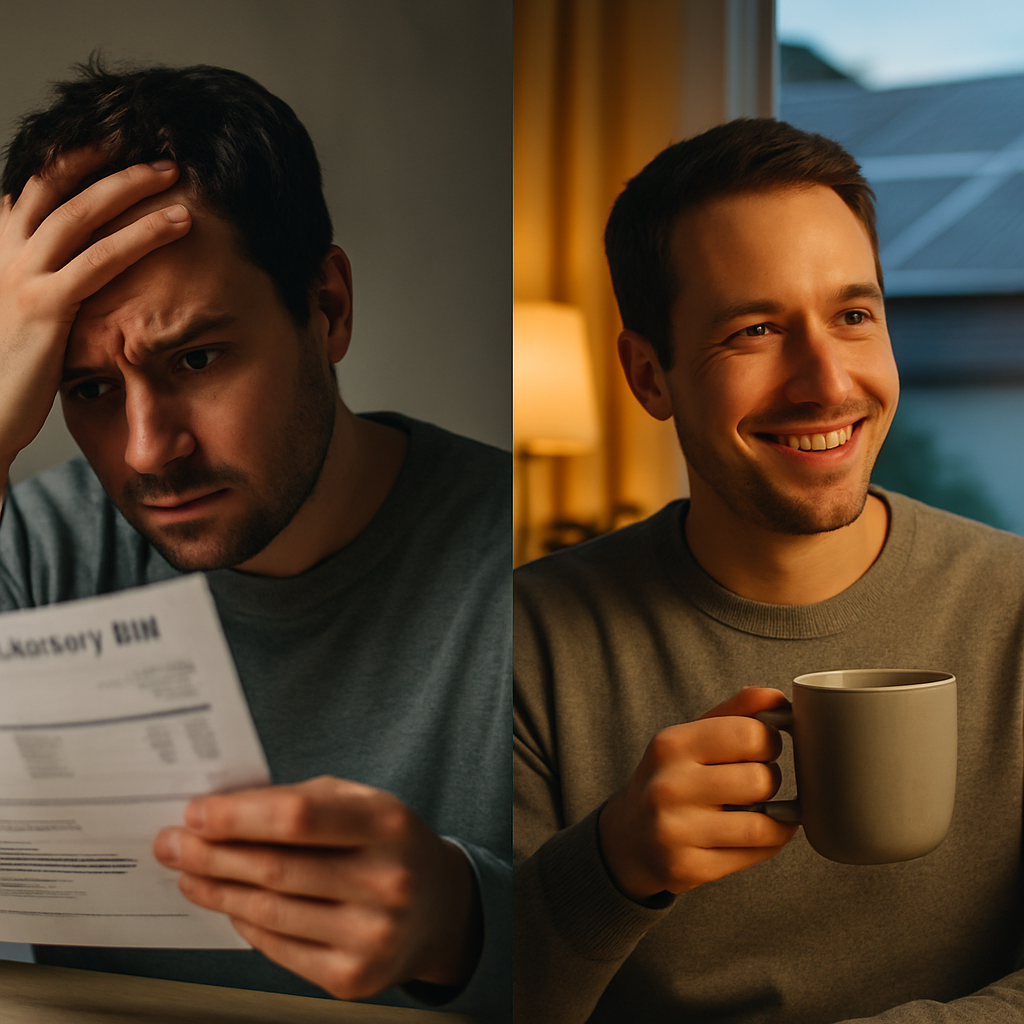
Case Study: A Family in Cairns The O’Brien family was hit with quarterly power bills approaching $700. They installed an 8kW solar system using Trina panels and a 13.5kWh Tesla Powerwall 3. The total system cost was $19,000, but after the federal STC incentive, their upfront cost was closer to $16,000. They now save over $2,500 annually on electricity costs, putting them on track for a payback period of just over 6 years. Their last bill was a pleasant surprise—just the daily grid connection fee.
Finding the right battery for your home
The battery model you choose must be on the Clean Energy Council’s approved list to be eligible for rebates. There are hundreds of models available, but some of the most popular and reliable choices in Queensland include:
| Feature | Tesla Powerwall 3 | Sungrow SBR | BYD Battery-Box Premium HVS |
|---|---|---|---|
| Usable Capacity | 13.5 kWh | 9.6 kWh – 25.6 kWh | 5.1 kWh – 12.8 kWh |
| Chemistry | Lithium Nickel Manganese Cobalt (NMC) | Lithium Iron Phosphate (LFP) | Lithium Iron Phosphate (LFP) |
| Warranty | 10 Years | 10 Years | 10 Years |
| Key Benefit | Excellent software & integrated inverter | Modular and flexible sizing | High performance and reliability |
Gigi’s Pro Tip: When looking at warranties, check the “cycle life” or “throughput” clause. This specifies how much energy the battery is guaranteed to deliver over its 10-year life. A higher number is better, as it ensures your battery can handle heavy daily use without degrading prematurely.
Your checklist for hiring a battery installer in Queensland
To ensure your installation is safe, compliant, and adds long-term value to your home, follow these steps:
-
Start with the NETCC: Use the “Find an Approved Seller” tool to create a shortlist of local businesses.
-
Get multiple quotes: Compare prices and the recommended battery systems from at least three different companies.
-
Verify the installer: Ask for the name and SAA number of the individual installer and check it on the SAA website.
-
Verify the electrical licence: Confirm the business’s electrical contractor licence is valid using the Queensland ESO search tool.
-
Check the products: Ensure the battery, inverter, and panels are all on the CEC approved product lists.
-
Read the contract: Make sure all costs, warranties, and performance estimates are clearly detailed in the quote and contract before signing.
By following these steps, you can confidently navigate the process of adding battery storage to your home. If you’d like a hand finding a trusted local professional who meets all these criteria, I can help. Simply fill out the form below to be connected with a vetted expert in your area.