
Fast Read
For a standard Brisbane pool without heating, you'll typically need a 3kW to 5kW solar PV system just to cover the energy consumption of your pump and chlorinator. This size system can offset the 10-15 kWh of daily power use. If you have a heated pool, the energy demand skyrockets, requiring a much larger solar system, often in the 8kW to 13kW range, especially if you use a pool heat pump. The cost of a solar system for a pool in Brisbane can range from $4,500 for a smaller setup to over $12,500 for a system large enough to handle heating.
So, you’re looking to harness Brisbane’s beautiful sunshine to power your pool? It’s a brilliant move. Pools are a fantastic lifestyle addition, but they are notoriously energy-hungry. Pairing your pool with a dedicated solar power system is one of the smartest home-energy decisions you can make, turning a constant drain on your wallet into a self-sufficient asset.
But the big question is, what size solar system do you actually need? The answer isn’t one-size-fits-all. It depends entirely on your specific pool equipment, how you use it, and whether or not you’re heating the water. Let’s break it down, step-by-step.
How much electricity does a Brisbane pool actually use?
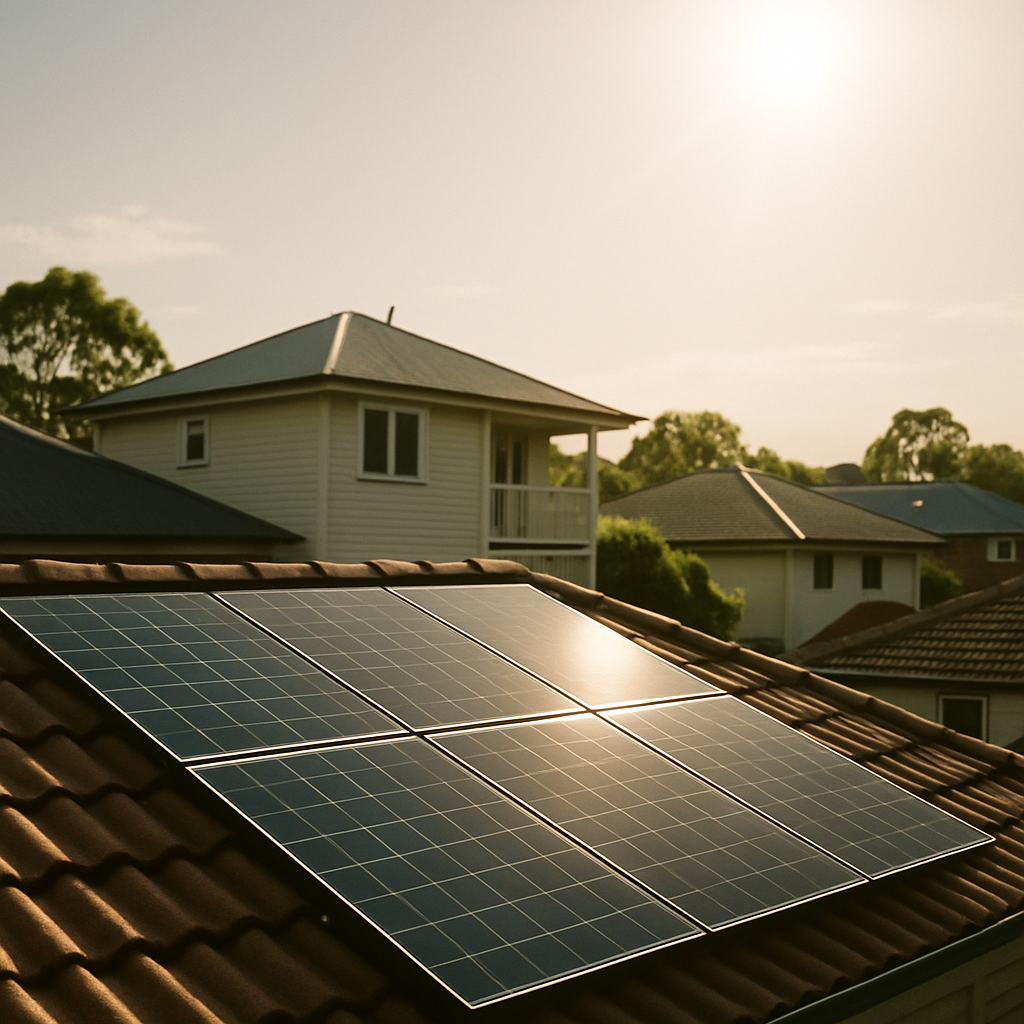
Before we can size a solar system, we need to understand the load we’re trying to cover. A swimming pool’s electricity consumption is the sum of its parts, with the pump being the biggest user by a wide margin. For a typical Brisbane home, a pool pump alone can account for up to 18% of the total household electricity bill.
In summer, you’ll need to run your pump for 8-10 hours a day to keep the water clear and healthy. In winter, this can be reduced to about 4-6 hours. This long runtime, combined with powerful equipment, is what makes pools so energy-intensive.
Breaking down the power consumption of your pool equipment
To get an accurate picture, we need to look at the wattage of each piece of equipment. You can usually find this on the compliance plate of the device itself.
Here’s a look at the typical power draw of common pool components:
| Equipment | Typical Power Consumption (Watts) | Key Considerations |
|---|---|---|
| Single-Speed Pool Pump | 1,100W (1.5HP) – 2,200W+ | The biggest energy user. A 1.5HP pump is common for average-sized pools. |
| Variable-Speed Pool Pump | 200W (low speed) – 1,500W (high speed) | Much more efficient. Can use up to 80% less energy by running longer at a lower speed. |
| Salt Water Chlorinator | 100W – 400W | Runs whenever the pump is running, adding to the total load. |
| Electric Heat Pump | 3,000W – 7,000W+ | A massive energy user. Will dramatically increase the required solar system size. |
| Robotic Pool Cleaner | 150W – 200W | Very efficient. Uses far less power than suction cleaners that rely on the main pump. |
| Underwater Lights | 15W (LED) vs 200W (Halogen) | LED lights use significantly less power for the same amount of light. |
Gigi’s Pro Tip: If you’re serious about reducing your pool’s energy use, the single best upgrade you can make is switching to a variable-speed pool pump. The energy savings are dramatic. An ECO pump running for 12 hours a day on low speed can cost as little as $80 per year to run, compared to a standard 1.5HP pump which could cost around $1000.
How to calculate your pool’s daily kWh usage
Now, let’s turn those wattage numbers into daily energy consumption, which is measured in kilowatt-hours (kWh). This is the number we need to size your solar system.
The formula is simple: Device Watts x Hours of Use per Day / 1000 = Daily kWh
Let’s calculate this for a typical Brisbane pool in summer, without a heater:
-
1.5HP Pump: 1,100 Watts
-
Chlorinator: 200 Watts
-
Total Load: 1,300 Watts (1.3 kW)
-
Summer Run Time: 8 hours
-
Calculation: (1,300W x 8 hours) / 1000 = 10.4 kWh per day
So, a standard pool setup will use around 10.4 kWh per day in summer. Over a 90-day summer, that’s nearly 1,000 kWh of electricity just for the pool.
The game-changer: Calculating energy needs for a heated pool
If you want to extend your swimming season with a pool heat pump, your energy needs will increase dramatically. A 5kW heat pump running for just 5 hours a day will add a staggering 25 kWh to your daily consumption.
-
Standard Pool Daily Usage: 10.4 kWh
-
Heat Pump Daily Usage: 25 kWh
-
Total Daily Consumption (Heated Pool): 35.4 kWh
This is why sizing a solar system for a heated pool is a completely different calculation.
How much power can you generate with solar in Brisbane?
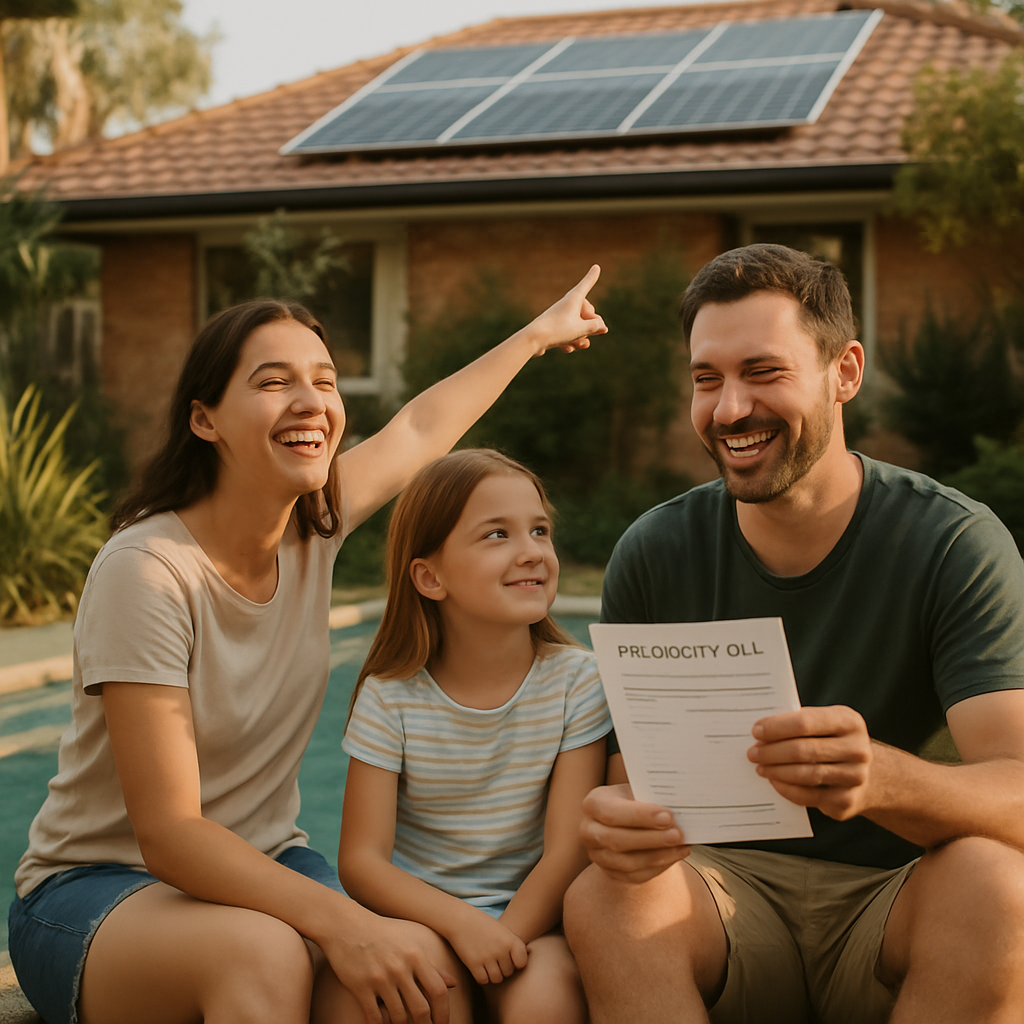
Brisbane is one of the best capital cities in Australia for solar power. The amount of energy a solar system produces is measured by “peak sun hours.” On average, Brisbane gets about 4.8 to 5.2 peak sun hours per day.
This means for every 1kW of solar panels you install, you can expect to generate, on average, about 4.8 kWh of electricity per day.
-
A 6.6kW solar system in Brisbane will generate around 27.7 kWh per day on average.
-
A 10kW solar system in Brisbane will generate around 42 kWh per day on average.
The simple formula for sizing your pool’s solar system
Now we can put it all together to determine the ideal solar system size.
The formula is: Your Pool’s Daily kWh Usage / Peak Sun Hours in Brisbane = Required Solar System Size (kW)
Scenario 1: Standard Pool (No Heating)
-
Daily Usage: 10.4 kWh
-
Peak Sun Hours: 4.8
-
Calculation: 10.4 kWh / 4.8 = 2.16 kW
To comfortably cover your standard pool equipment, a dedicated 3kW solar system would be a safe and effective choice.
Scenario 2: Heated Pool
-
Daily Usage: 35.4 kWh
-
Peak Sun Hours: 4.8
-
Calculation: 35.4 kWh / 4.8 = 7.37 kW
To run a heated pool effectively from solar, you’d need at least an 8kW solar system. Many homeowners with heated pools opt for a 10kW or even 13kW system to ensure they have ample power, especially on less sunny days.
Case Study: A Family in Carindale The Tran family loved their pool but dreaded their quarterly power bills, which often topped $700 after they installed a heat pump. They decided to invest in a 10kW solar PV system using Trina panels and a Fronius inverter, installed by an SAA-accredited professional. The total cost was approximately $9,800 after the federal STC rebate was applied. The system now completely covers their pool’s running costs and a significant portion of their other household energy use. Their annual savings are over $2,100, putting them on track for a payback period of under 5 years, and their last summer electricity bill was a pleasant surprise.
What size solar panel system is best for a heated pool in Brisbane?
For a heated pool in Brisbane’s subtropical climate, a larger system is non-negotiable. I would recommend a system in the 10kW to 13kW range. This provides a significant buffer to:
-
Run the heat pump effectively during the day.
-
Cover the regular pump and chlorinator.
-
Offset your other household energy usage.
-
Future-proof your home for additions like an electric vehicle or a home battery.
A 10kW system in Brisbane can cost between $8,000 and $13,000, while a 13kW system may start from around $12,500. While it’s a significant investment, the savings from eliminating the running costs of a heated pool mean the payback period is often surprisingly short.
Final thoughts
Choosing the right size solar system for your pool in Brisbane is a matter of simple maths. First, calculate your total daily energy consumption in kWh, then divide it by Brisbane’s average peak sun hours to find the system size in kW.
For a standard pool, a 3-5kW system is a great starting point. For a heated pool, you should be looking at 8kW as a minimum, with a 10kW+ system being the ideal solution for true energy independence.
By matching your solar system to your pool’s needs, you can enjoy crystal clear water year-round without the worry of shocking electricity bills. If you’re unsure about your calculations or want to get a precise quote, I can connect you with trusted, SAA-accredited local installers who can provide a detailed assessment.