
Fast Read
Finding the best solar panels for your Queensland home in 2026 means focusing on high-efficiency, heat-tolerant N-type panels from top brands like REC, SunPower, Trina Solar, Jinko Solar, and Q CELLS. For a standard 6.6kW system in Brisbane, expect to pay between $5,000 and $9,000, while a larger 10kW system on the Gold Coast could range from $8,000 to $13,000, after the federal solar rebate. This rebate, part of the Small-scale Renewable Energy Scheme (SRES), will continue to reduce upfront costs, though its value, known as the STC value, decreases annually. The key to a great investment is pairing quality panels with a reputable, Solar Accreditation Australia (SAA) approved installer.
Top solar panel brands Australia 2026: What to look for

Choosing the right solar panels for your home can feel overwhelming, but I’ve learned that focusing on a few key metrics makes all the difference, especially in Queensland’s climate. For 2026, the market is dominated by highly efficient and durable N-type panels, which outperform older P-type technology, particularly in longevity and heat tolerance.
When I analyse different brands, I focus on four things:
-
Module Efficiency: This measures how much sunlight a panel converts into electricity. Higher efficiency means you need fewer panels to generate the same amount of power, which is ideal for smaller roofs.
-
Temperature Coefficient: This is crucial for us in Queensland. It shows how much a panel’s output drops as temperatures rise. A lower number here is better, meaning the panel performs well even on scorching summer days.
-
Product Warranty: This covers defects in the panel itself. A 25-year warranty is now a common standard among quality manufacturers, indicating confidence in their product’s construction.
-
Performance Warranty: This guarantees the panel will still produce a certain percentage of its original output after 25 or 30 years. Look for panels that guarantee at least 87% after 30 years.
Here’s a comparison of some of the leading brands I consistently recommend to Queensland homeowners:
| Brand | Model Series | Efficiency | Temp. Coefficient (Pmax) | Product Warranty | Performance Warranty |
|---|---|---|---|---|---|
| SunPower | Maxeon 7 | Up to 24.1% | -0.29%/°C | 40 Years | 90.8% after 30 years |
| REC | Alpha Pure-R | Up to 22.6% | -0.26%/°C | 25 Years | 92% after 25 years |
| Q CELLS | Q.TRON | Up to 22.0% | -0.30%/°C | 25 Years | 90.5% after 25 years |
| Trina Solar | Vertex S+ | Up to 22.5% | -0.30%/°C | 25 Years | 87.4% after 30 years |
| Jinko Solar | Tiger Neo | Up to 22.27% | -0.29%/°C | 25 Years | 87.4% after 30 years |
| Canadian Solar | TOPHiKu6 | Up to 23.0% | -0.29%/°C | 25 Years | 87.4% after 30 years |
| LONGi | Hi-MO 6 | Up to 23.0% | -0.29%/°C | 25 Years | 88.9% after 25 years |
Gigi’s Pro Tip: Don’t get fixated solely on the highest efficiency. A panel with a slightly lower efficiency but a superior temperature coefficient can often produce more energy over a hot Queensland summer than a panel that is technically more efficient in perfect lab conditions.
A closer look at the top solar panels for 2026
The brands in the table above represent the best options for homeowners, but let’s dive into the specifics of their flagship models. From my analysis, these panels offer the best combination of performance, technology, and long-term value.
-
SunPower Maxeon 7: SunPower is the premium choice, offering unmatched durability and the industry’s leading 40-year product and performance warranty. Their panels have an exceptional degradation rate, meaning they lose very little of their production capacity over time. While they come at a higher upfront cost, they are built for homeowners who want the absolute best long-term investment.
-
REC Alpha Pure-R Series: REC is a Norwegian brand highly regarded for its quality and innovation. Their Alpha Pure-R panels use advanced heterojunction (HJT) cell technology, which delivers high efficiency and excellent performance in hot weather. With a 25-year product warranty and a guarantee of 92% performance after 25 years, they are a top-tier choice.
-
Q CELLS Q.TRON Series: Q CELLS is a hugely popular brand in Australia, known for producing high-quality, reliable panels that offer a great balance of performance and price. Their latest N-type Q.TRON panels use advanced TOPCon cell technology for high efficiency and excellent long-term performance, backed by a 25-year product and performance warranty. They are a fantastic all-round choice for homeowners who want a top-tier panel from a well-established manufacturer.
-
Trina Solar Vertex S+: Trina Solar has become a powerhouse, offering fantastic value for money. The Vertex S+ series features N-type TOPCon cells and a dual-glass design, making them incredibly durable. They come with a 25-year product and 30-year performance warranty, putting them on par with many premium brands at a more accessible price point.
-
Jinko Solar Tiger Neo: Jinko is one of the world’s largest panel manufacturers and their Tiger Neo series is a very popular choice in Australia for good reason. They use N-type TOPCon technology for high efficiency and reliability. Jinko provides a strong balance of performance, quality, and affordability, making them a solid all-round option for most homes.
-
Canadian Solar TOPCon Panels: Canadian Solar is another top global manufacturer with a strong reputation in Australia. Their latest residential panels use N-type TOPCon technology, delivering efficiencies up to 23% and a low degradation rate. Backed by a 25-year product warranty, they are a reliable and high-performing choice.
Key solar technology trends for Queensland in 2026
The technology inside solar panels is evolving rapidly. Here are the key trends that will matter most for Queenslanders in 2026.
-
N-type TOPCon vs HJT Cells: For years, P-type cells were the standard. Now, N-type cells are the clear winner for residential solar. They are more efficient, suffer less from light-induced degradation (LID), and generally last longer. The two main types you’ll see are TOPCon (Tunnel Oxide Passivated Contact) and HJT (Heterojunction). TOPCon is becoming the new industry standard, used by brands like Jinko, Trina and Q CELLS, offering great efficiency and performance. HJT, used by REC, is a more premium technology known for its excellent efficiency and low temperature coefficient.
-
Perovskite Solar Cells: You might hear buzz about perovskite technology, which promises ultra-high efficiency. Australian researchers are at the forefront of this, with some predicting commercialisation could begin around 2026. However, for most residential buyers in 2026, it will likely still be an emerging technology. Stick with proven N-type panels for now, but watch this space.
-
Bifacial Panels for Homes: Bifacial panels can capture sunlight from both sides, which can boost energy production. While this is very effective for ground-mounted solar farms, the benefit for typical residential rooftops in Queensland is minimal. Panels are usually installed too close to the roof to capture much reflected light, so monofacial (single-sided) panels remain the more practical and cost-effective choice for most homes.
What do solar panels cost in QLD in 2026?
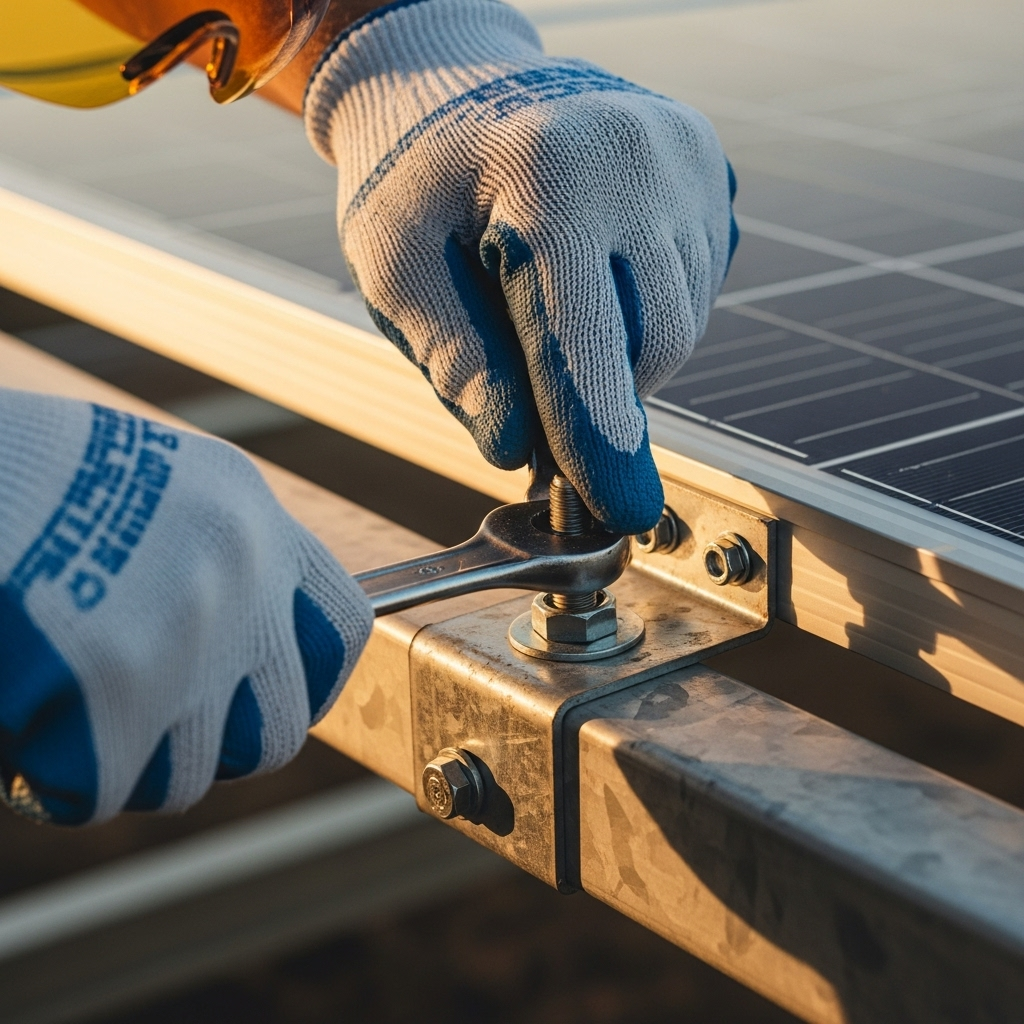
The price of a solar system depends on its size, the components you choose, and the complexity of the installation. However, I can provide a clear estimate of what you should expect to pay for a quality system in Queensland.
These prices are estimates for a full system installation, including panels, inverter, mounting, and labour, after the federal rebate (STCs) has been applied.
-
Average 6.6kW solar system price in Brisbane: A 6.6kW system is the most popular size for Queensland homes and typically costs between $5,000 and $9,000.
-
Average 10kW solar system cost on the Gold Coast: For larger homes with higher energy use, a 10kW system will likely cost between $8,000 and $13,000.
-
Solar panel installation cost in Townsville: Regional installations can sometimes be slightly more expensive due to travel costs, but prices should remain in a similar range. The cost per watt in Queensland generally falls between $0.80 and $1.40.
Case Study: A Family in North Lakes The O’Brien family was hit with quarterly power bills exceeding $700. They installed a 6.6kW Jinko N-type panel system with a Sungrow inverter for a total cost of $6,200. After crunching the numbers, I found their annual savings are now over $1,900, putting them on track for a payback period of well under 4 years. Their last bill was just for the daily grid connection fee, and they’re exporting excess energy back to the grid.
Understanding Queensland’s solar rebates and incentives for 2026
The upfront cost of solar is made significantly more affordable by government incentives. It’s crucial to understand how these work.
-
Small-scale Renewable Energy Scheme (SRES): This is the federal government’s main rebate for solar. It provides a point-of-sale discount on the cost of your system. The size of the discount depends on the system size and your location, and is based on a number of tradable certificates called Small-scale Technology Certificates (STCs). Your installer will handle the paperwork and deduct the value from your quote. It’s important to know that the number of STCs you can claim decreases on January 1st each year, so the rebate value will be slightly lower in 2026 than in 2025.
-
Federal Solar Battery Rebate: For homeowners looking to add storage, the federal government’s battery rebate program is a significant help. Eligible batteries can receive a substantial discount, making the move to energy independence more affordable. Your installer must be SAA-accredited for battery installations to qualify.
-
QLD Home Energy Efficiency Grants: While there are no state-based upfront rebates for solar panels in Queensland, it’s worth checking the Queensland Government’s website for any new energy efficiency grants or programs that may be introduced.
-
Feed-in Tariffs: This is the credit you receive from your electricity retailer for any excess solar energy you export to the grid. For 2026, the trend of falling feed-in tariffs is expected to continue. The massive uptake of rooftop solar across Australia means the grid often has a surplus of energy during the middle of the day, which pushes the wholesale price down. For regional Queensland, the Queensland Competition Authority (QCA) sets a regulated tariff, which saw a 30% decrease for the 2025-26 period due to lower wholesale energy costs. In South East Queensland (Brisbane, Gold Coast), where retailers set their own rates, expect tariffs to remain low and variable. Some retailers may offer higher rates for the first few kWh exported per day or introduce time-varying tariffs that pay more for energy exported during evening peak demand. This trend reinforces the importance of self-consuming your solar power or investing in a battery to maximise savings.
How to find the best solar installers in Queensland
The best solar panels in the world will underperform if they are installed poorly. Finding a reputable, high-quality installer is just as important as choosing the right brand.
A common mistake I see homeowners make is using outdated accreditation as a reference. The industry standard for quality and safety is no longer the Clean Energy Council (CEC). When looking for a professional, you must ensure they are accredited by Solar Accreditation Australia (SAA). This is the new, higher standard for professional installers.
Here’s my checklist for finding a trustworthy installer anywhere from Brisbane and the Gold Coast to the Sunshine Coast and Townsville:
-
Check for SAA Accreditation: This is non-negotiable. Verify their accreditation on the SAA website.
-
Read Customer Reviews: Look for recent, detailed reviews on independent sites. See what customers say about the company’s communication, professionalism, and after-sales support.
-
Get Multiple Quotes: I always recommend getting at least three quotes from different companies. This helps you compare prices and spot any that are unusually high or suspiciously low.
-
Look for Local Experience: A company with a long history of installing systems in your local area will be familiar with council requirements and Energex or Ergon network connection processes.
-
Analyse the Quote Details: A good quote will clearly list the brand and model of the panels and inverter, the warranty details for all components, and an estimate of the system’s annual output.
Choosing to install solar panels on your home is a major decision, but it’s one of the most effective ways to reduce your cost of living and embrace clean energy. By focusing on quality N-type panels from reputable brands and partnering with a top-tier SAA-accredited installer, you can ensure your system delivers value for decades to come.
If you’re ready to take the next step and get a clear idea of costs for your home, I can help.
