
Fast Read
For most homeowners in Brisbane, you do not need council approval to install solar panels. Under Queensland regulations, standard rooftop solar installations are considered "self-assessable building work," which means you don't need to lodge a formal building or development application with Brisbane City Council. This generally applies to other South East Queensland councils too, including Moreton Bay, Redland, Gold Coast, Logan, and the Sunshine Coast. The major exception is for homes that are heritage-listed or located in a character overlay area, which will require council approval. A typical 6.6kW solar system with panels from brands like REC or Trina still requires the work to be completed by a Solar Accreditation Australia (SAA) accredited installer to meet all safety standards and be eligible for the federal solar rebate, which can save you thousands on the upfront cost.
Brisbane City Council solar panel regulations
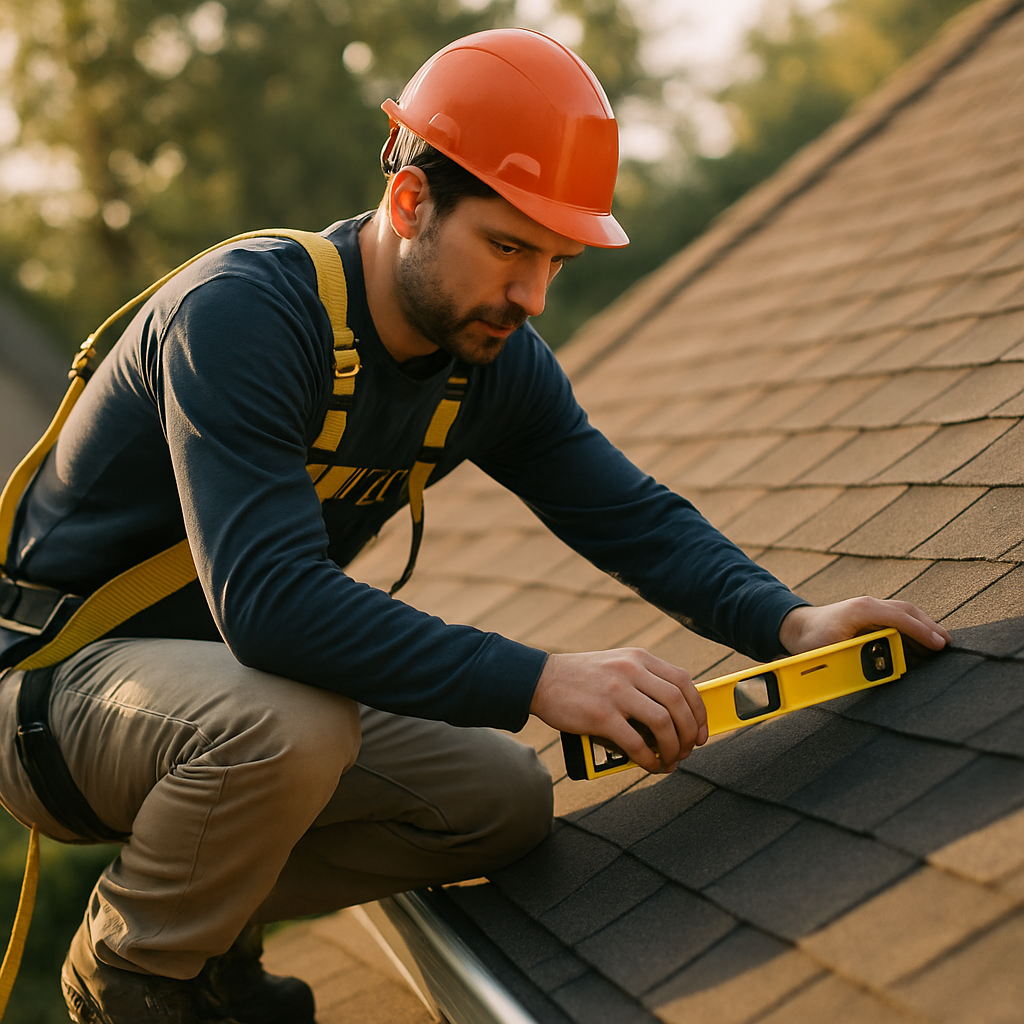
One of the most common questions I hear from Brisbane homeowners is whether they need to battle through council paperwork to get solar panels on their roof. For the vast majority of homes, the answer is a relieving “no”.
In Queensland, the installation of rooftop solar panels is generally classified as ‘self-assessable building work’. This is a state-level rule designed to cut red tape and make it easier for people like us to switch to solar. This means you aren’t required to get a formal building permit or development approval (DA) from the Brisbane City Council for a standard installation.
However, this doesn’t mean there are no rules. The “self-assessable” status comes with a crucial condition: the work must still comply with all relevant Australian Standards, building codes, and electrical safety regulations. The responsibility for ensuring this compliance falls squarely on your chosen installation company.
There is one major exception to be aware of:
- Heritage or character properties: If your home is heritage-listed or falls within a ‘character overlay’ in the Brisbane City Plan, you will absolutely need to seek council approval. The council will need to assess how the panels impact the home’s aesthetic and historical character. My advice is to check the council’s planning maps online or call them directly if you’re even slightly unsure.
Even for non-character homes, the Brisbane City Plan notes that the reflectivity from panels shouldn’t negatively affect your neighbours. A professional installer will manage this by using panels with anti-reflective coatings and planning the layout thoughtfully.
Brisbane City Council solar panel building approval
So, if a standard solar installation is self-assessable, when would you need a formal building approval from the Brisbane City Council?
A building approval is typically not required for the panels themselves. The situation changes if the installation requires significant structural modifications to your roof. For example, if your roof frame needs to be reinforced to handle the weight of the panels, that specific structural work might require assessment and a permit from a private building certifier.
This is very uncommon for modern homes built to code, but it can be a factor for older properties. A reputable solar installer will assess your roof’s condition as part of their initial site inspection. They have a duty to inform you if any extra structural work is needed before they proceed.
Gigi’s Pro Tip: Always ask your installer if they have conducted a structural assessment of your roof. They should be able to provide you with an engineering certificate or a clear statement in their proposal confirming your roof structure is suitable for the chosen system. This is a critical step for safety and for your home insurance.
Brisbane City Council self-assessable building work solar panels
Let’s dig a little deeper into what “self-assessable” really means for you as a homeowner.
The term allows you to proceed with a project without needing a development permit, provided you meet a specific set of standards. Think of it as a pre-approved checklist. As long as your project ticks all the boxes, you don’t need to ask for permission first.
For solar panels in Brisbane, the key requirements for self-assessable work are:
-
The panels are installed on the roof of an existing, approved building.
-
The work complies with the National Construction Code and relevant Australian Standards (especially AS/NZS 5033 for installation and safety).
-
The structural integrity of the building is not compromised.
-
The installation is performed by a suitably qualified and licensed professional.
This framework places enormous importance on choosing the right installer. They are your safeguard, ensuring that your “self-assessable” installation is also a safe, compliant, and high-performing one.
Case Study: A Family in Chermside West The O’Brien family was paying nearly $700 each quarter for their power bills. They decided to install an 8kW system using Canadian Solar panels and a 10kWh Sungrow battery, costing them $17,000 upfront. After the federal solar rebate reduced the cost to around $14,000, their bills plummeted. Their annual savings are now consistently over $2,500, placing them on track for a payback period of under six years. Their last electricity bill was just $45, covering the daily grid connection fee.
Queensland building regulations self-assessable solar installation
The rules that apply in Brisbane are based on the broader Queensland Building Regulation 2021. This state-wide legislation is what classifies rooftop solar as self-assessable work, a policy that extends across most councils in Queensland, from the Gold Coast to the Sunshine Coast and beyond.
While the core principle is consistent, some local councils may have minor additional rules in their planning schemes. For example, Redland City Council specifies that panels must not exceed a maximum height of 8.5 metres from the natural ground level, which is rarely an issue for residential homes.
The most critical regulation, however, is not from a council but from the federal Clean Energy Regulator. To be eligible for the valuable solar rebate (technically called Small-scale Technology Certificates or STCs), your system must be designed and installed by a professional accredited by Solar Accreditation Australia (SAA). The SAA scheme replaced the old CEC accreditation in 2024, so ensuring your installer holds current SAA accreditation is non-negotiable.
Brisbane City Council self-assessable development solar panels
It’s helpful to understand the difference between a building approval and a development approval (DA). A building approval relates to the structural and safety aspects of the work. A DA, on the other hand, relates to how the land is used and whether it complies with the council’s planning scheme.
As we’ve covered, standard rooftop solar doesn’t typically require a building approval. It also does not require a development approval, unless it triggers a planning scheme requirement, such as the character or heritage overlay mentioned earlier.
You would only need to think about a development approval in very specific circumstances, for example:
-
You want to install a very large, ground-mounted solar system that covers a significant portion of your property.
-
The property is subject to specific planning overlays (heritage, character, environmental).
-
The project is for a large-scale commercial building, not a typical home.
For over 99% of Brisbane homeowners looking to install rooftop panels, the path is clear: you can proceed without a building or development application, provided you use a trusted, SAA-accredited professional who guarantees compliance with all the rules you don’t have to worry about.
Feeling overwhelmed? That’s completely normal. The main takeaway is that for a standard home, the process is simple as long as you hire the right people. If you’d like some help finding a qualified local installer who understands all the Brisbane-specific requirements, I can help. Just fill out the form below and I can connect you with a trusted local expert for a clear, no-obligation quote.
