
Fast Read
In Brisbane for 2025, a typical 6.6kW solar system costs between $5,000 and $8,500, while a larger 10kW system ranges from $8,000 to $12,000 after the federal STC rebate. Adding a 10kWh solar battery, like a Sungrow SBR, will cost an additional $9,000 to $11,000. Premium options like the 13.5kWh Tesla Powerwall 3 are priced from $14,000 to $16,000 installed. The primary financial incentive is the federal Small-scale Technology Certificate (STC) scheme, which is applied as an upfront discount. A new federal battery rebate, the Cheaper Home Batteries Program, also launched in mid-2025, offering further significant savings.
How much do solar and battery systems cost in Brisbane?
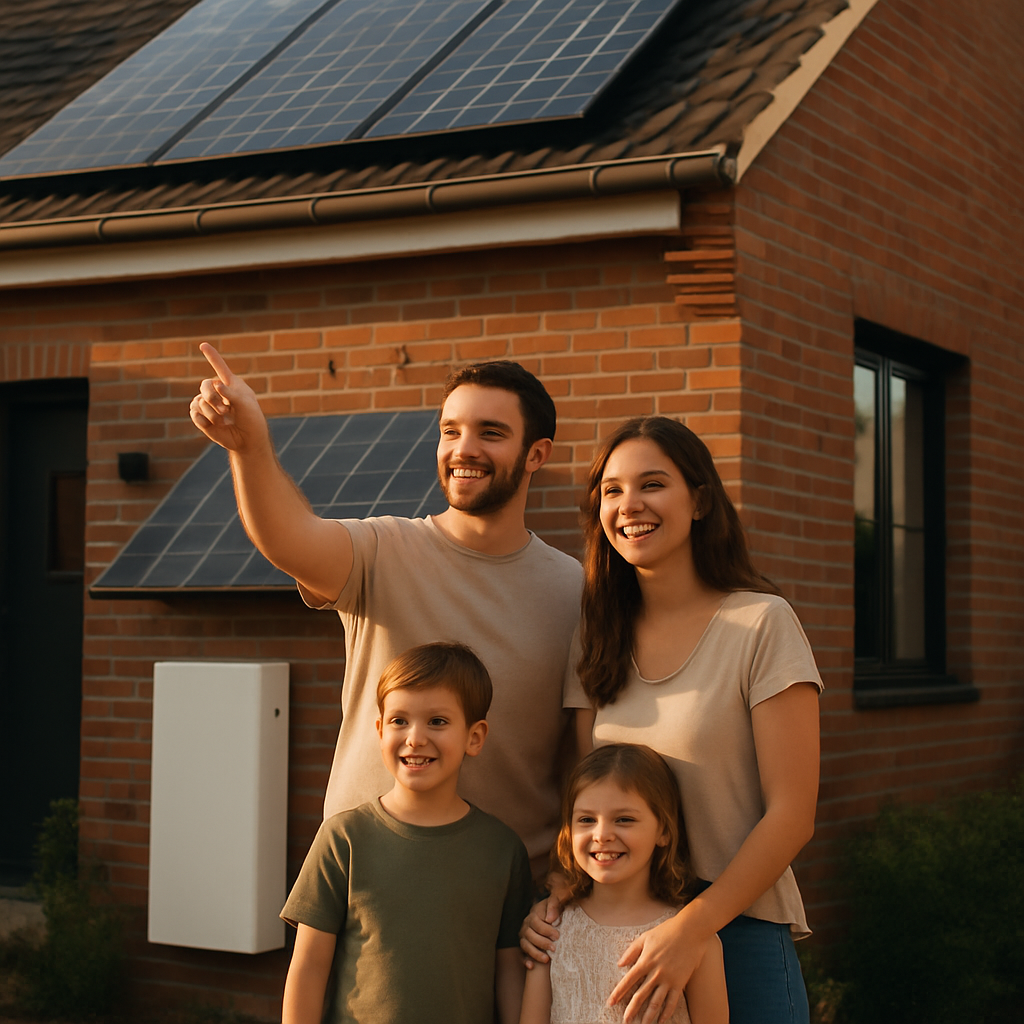
Working out the final price for a solar and battery installation can feel tricky because it’s not a one-size-fits-all product. The total cost depends on the system size, the quality of the components you choose, and your home’s specific requirements. However, based on my analysis of hundreds of quotes from local installers, I can provide a clear Brisbane solar and battery cost estimator for 2025.
Here are the typical price ranges you can expect to see in Brisbane, with the federal STC rebate already applied:
| System Size | Solar Panels Only (Installed) | Solar Panels + 10kWh Battery (Installed) |
|---|---|---|
| 6.6kW | $5,000 – $8,500 | $14,000 – $19,500 |
| 10kW | $8,000 – $12,000 | $17,000 – $23,000 |
| 13.2kW | $10,000 – $15,000 | $19,000 – $26,000 |
These figures are a great starting point. The lower end of the range typically includes quality, value-focused brands like Jinko or Trina panels and a Sungrow inverter. The higher end reflects premium brands like REC panels and a European-made Fronius inverter or the inclusion of a premium battery like a Tesla Powerwall.
Average cost of a 6.6kW solar system in Brisbane
A 6.6kW solar system is the most popular size for Brisbane homes, and for good reason. It hits the sweet spot for maximising the federal STC rebate while providing enough energy for the average family to significantly reduce their electricity bills.
In 2025, you should expect to pay between $5,000 and $8,500 for a quality 6.6kW solar system in Brisbane.
This price typically includes:
-
Around 14-16 high-efficiency solar panels (usually 415W-440W each).
-
A quality 5kW inverter (it’s standard practice to pair 6.6kW of panels with a 5kW inverter).
-
Full installation by a Solar Accreditation Australia (SAA) accredited team.
-
All necessary racking, wiring, and system commissioning.
A system at the lower end of this price range might use a reliable brand like Sungrow, while a premium system costing over $7,500 might feature a Fronius inverter.
Average cost of a 10kW solar system in Brisbane
For larger families, households with high energy consumption (like those with ducted air-conditioning or a pool pump), or anyone planning to charge an electric vehicle, a 10kW system is an excellent investment.
In Brisbane, a fully installed 10kW solar system typically costs between $8,000 and $12,000. A 10kW system generally consists of 23 to 25 panels.
This size provides a substantial amount of energy—around 40-45 kWh per day on average in Brisbane—which is often enough to wipe out your daytime energy usage and still export a significant amount to the grid. It also pairs perfectly with a home battery, allowing you to become almost entirely self-sufficient.
Solar battery cost: What to expect for a 10kWh battery in Brisbane
Adding a battery transforms your solar system from a daytime-only power plant into a 24/7 energy solution. The cost of a solar battery in Brisbane depends heavily on the brand and capacity, which is measured in kilowatt-hours (kWh). A 10kWh battery is a popular size, providing enough storage for most homes to cover their evening energy needs.
The installed cost for a medium-sized battery (10-13.5 kWh) in Brisbane generally ranges from $9,000 to $14,000.
Here’s a quick comparison of two of the most popular choices:
| Feature | Sungrow SBR (9.6kWh) | Tesla Powerwall 3 (13.5kWh) |
|---|---|---|
| Usable Capacity | 9.6 kWh (modular) | 13.5 kWh |
| Technology | LFP (Lithium Iron Phosphate) | LFP |
| Est. Installed Cost | $9,000 – $11,000 | $14,000 – $16,000 |
| Key Feature | Modular design allows expansion | Integrated inverter, powerful backup |
Case Study: A Family in The Gap The Kumar family was facing quarterly power bills of over $600. They installed a 6.6kW system with Trina panels and a 10kWh Sungrow battery for a total cost of $15,500. After the new federal battery rebate, their outlay was closer to $11,500. Their annual savings are now over $2,200, putting them on track for a payback period of just over 5 years, and their last bill was only the daily grid connection fee.
Queensland solar and battery rebates for 2025

Navigating rebates can be confusing, but in Queensland, it’s fairly straightforward. There are two main incentives to be aware of:
-
Federal STC Scheme: This is the big one. Often called the “solar rebate,” it’s not a cash-back offer but an upfront discount on the total cost of your system (panels and battery if installed together). The value is based on your system size and location. Every quote you receive from a reputable installer will already have the STC discount included in the final price.
-
Cheaper Home Batteries Program: This new federal program launched on July 1, 2025, and provides a significant rebate on new battery installations. The rebate is calculated per kWh of battery capacity, potentially reducing the cost of a 10kWh battery by around $3,000-$4,000.
While Queensland has offered state-level battery schemes like the Battery Booster Program in the past, these have specific application windows and are not always open. It’s crucial to check for current state programs when you request quotes.
Panel choices: Monocrystalline vs polycrystalline prices
This is a question I get a lot, but the decision is simpler than you think. Monocrystalline panels are made from a single silicon crystal, making them more efficient and giving them a sleek, uniform black look. Polycrystalline panels are made from multiple silicon fragments, resulting in a speckled blue appearance and lower efficiency.
A few years ago, polycrystalline panels were a popular budget choice. Today, however, advances in manufacturing mean that high-efficiency monocrystalline panels are the dominant technology for residential solar in Australia and the price difference is minimal. Almost every new system installed in Brisbane will use monocrystalline panels, as they generate more power from less roof space.
Inverter costs: Fronius vs Sungrow
The inverter is the brain of your solar system, and two brands consistently dominate the Brisbane market: Fronius and Sungrow.
-
Fronius: An Austrian-made brand with a premium reputation for reliability, excellent local support, and longevity. They are generally more expensive.
-
Sungrow: A global market leader known for offering exceptional value, high efficiency, and a fantastic monitoring app. They are the more budget-friendly option.
Here’s a rough idea of the price difference for the inverter unit alone:
| Inverter Brand (5kW model) | Estimated Unit Cost | Best For |
|---|---|---|
| Sungrow | $1,000 – $1,500 | Homeowners seeking the best overall value and a fast return on investment. |
| Fronius | $1,800 – $2,500 | Those prioritising premium European engineering and long-term peace of mind. |
From my analysis, Sungrow offers incredible performance for its price point, but Fronius is a rock-solid investment if your budget allows.
Key factors that influence your final installation cost
The price ranges I’ve provided are great estimates, but several variables can push your final quote higher or lower.
-
Roof Complexity: A steep, multi-storey, or tiled roof will cost more for installation than a simple, single-storey tin roof.
-
Switchboard Upgrades: Older homes may need their switchboard updated to meet current Australian electrical standards, which can add $500 – $2,000 to the cost.
-
Component Quality: Opting for top-tier panels like REC or SunPower will increase the price compared to value-focused brands like Trina or Jinko.
-
Installer Reputation: A highly experienced installer with a strong local reputation may charge more, but it’s worth it for the peace of mind. Always verify your installer has a current Solar Accreditation Australia (SAA) accreditation.
Gigi’s Pro Tip: When comparing quotes, don’t just look at the final price. Scrutinise the brand and model of the panels and inverter offered. A cheaper quote might be using lower-quality components that will cost you more in the long run through poor performance and reliability issues.
Is a solar and battery system worth it in Brisbane?
With Brisbane’s abundant sunshine and rising electricity prices, installing a solar system is one of the safest home investments you can make. The payback period for a solar-only system is often between 3 to 6 years.
Adding a battery extends the payback period but provides energy independence, blackout protection, and insulation from evening peak electricity rates. With the new 2025 battery rebates, the financial case for batteries is stronger than ever.
The key is to get a system tailored to your specific energy needs and budget. If you’re ready to see what a solar and battery system would cost for your home, I can help.
I can connect you with a trusted local expert who can provide a detailed quote based on your unique situation—just fill out the form below.