
Fast Read
In Melbourne, the installed cost of a 10kWh home battery in 2025 typically ranges from $8,500 to $12,500. This price can be significantly reduced by government incentives. The new Federal Government’s “Cheaper Home Batteries Program,” which started on July 1, 2025, can provide a discount of around 30% or roughly $3,440 off a 10kWh battery. Additionally, while Victoria’s direct battery rebate has ended, an interest-free loan of up to $8,800 is available to eligible homeowners to help with the upfront cost. Popular battery models like the Tesla Powerwall 2, SonnenBatterie Evo, and BYD Battery Box are common choices for Melbourne homes, with their final costs varying based on the installer and any required electrical work.
Average price of a 10kWh solar battery in Victoria 2025
Navigating the cost of a home solar battery can feel complex, but I’ve analysed the market to give you a clear picture. For a 10kWh solar power battery for your home in Victoria, you should budget between $8,500 and $12,500 fully installed. Some premium or more complex installations might push this slightly higher.
This price range accounts for several factors:
-
The battery unit itself: Brands like BYD and Sungrow often sit at the more affordable end, while premium options like Tesla and Sonnen can command a higher price.
-
Installation labour: This is the cost for a Solar Accreditation Australia (SAA) certified electrician to safely install and commission your system.
-
Additional hardware: This can include a hybrid inverter if your current solar system isn’t “battery-ready,” as well as safety components like circuit breakers and cabling.
-
GST: The prices I quote are inclusive of GST.
A common mistake I see homeowners make is focusing only on the battery’s sticker price. From my analysis of dozens of system quotes, the quality of the installation and the compatibility of the components are just as crucial for long-term value and safety.
Popular 10kWh home battery models: Cost comparison
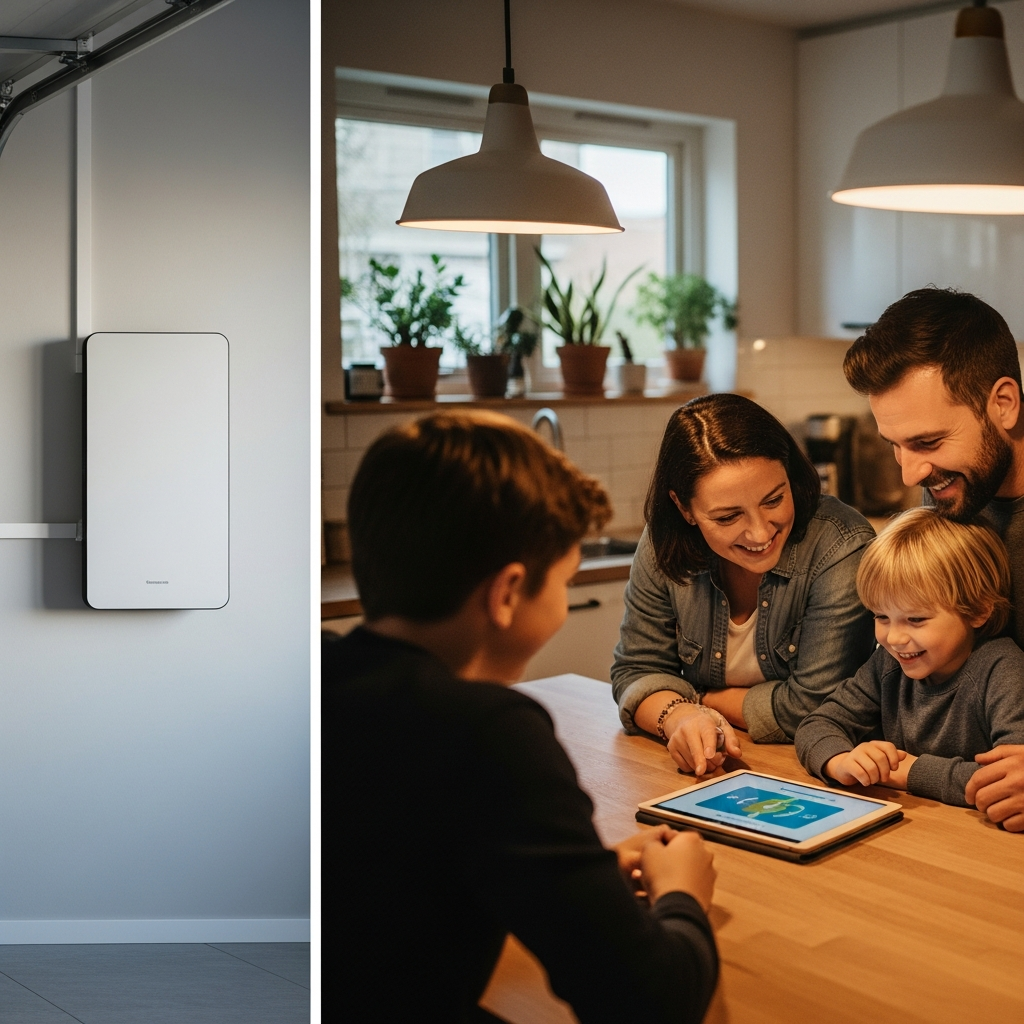
To make things simpler, I’ve broken down the expected installed prices in Melbourne for three of the most popular home electric battery choices. Keep in mind these are estimates before any rebates are applied.
| Battery Model | Usable Capacity | Typical Installed Price (Melbourne) | Key Feature |
|---|---|---|---|
| Tesla Powerwall 2 | 13.5 kWh | $13,500 – $15,000 | Excellent software and app integration |
| SonnenBatterie Evo | 10 kWh | $12,000 – $14,000 | Outdoor rated (IP56) and built-in backup |
| BYD Battery-Box HVS | 10.2 kWh | $9,000 – $11,500 | Modular design allows for future expansion |
Gigi’s Pro Tip: When comparing battery warranties, look for both the ‘cycle life’ rating and the ‘throughput’ (total energy warrantied). A 10-year warranty is standard, but a higher throughput figure means the battery is built to handle more work over its lifetime.
Victorian Solar Homes Program battery support 2025
While the original Solar Victoria battery rebate of up to $2,950 has closed for new applicants, there is still significant state-level support available.
Eligible Victorian households can apply for an interest-free loan of up to $8,800 to reduce the upfront cost of installing a home solar battery. This loan is paid back over four years and can be combined with the new federal rebate, making a home battery far more accessible.
Key eligibility criteria for the loan generally include:
-
You must be the owner-occupier of the property.
-
The property value is under a certain threshold (previously $3 million).
-
Your combined household taxable income is below $210,000.
-
You have an existing solar panel system of at least 5kW.
Federal government home battery incentives 2025
This is the big news for 2025. The Australian Government launched the Cheaper Home Batteries Program on July 1, 2025. This is a nationwide incentive designed to make battery storage affordable for more Australian families.
Here’s how it works:
-
It provides an upfront discount of around 30% on the cost of an eligible battery system.
-
For a 10kWh battery, the rebate is valued at approximately $3,440 in 2025.
-
The program is administered through the same system as the solar panel rebate (Small-scale Technology Certificates or STCs), so your accredited installer will almost always deduct this from your quote automatically.
-
Crucially, this federal incentive can be used in conjunction with Victoria’s interest-free loan.
This program has been a game-changer, significantly shortening the payback period for a home solar and battery system.
Case Study: A Family in Essendon The Tran family was tired of their quarterly power bills creeping over $550. They already had a 6.6kW solar system with Jinko panels. They added a 10.2kWh BYD battery, with the installation costing $10,500. After the federal Cheaper Home Batteries Program rebate of over $3,400, their final cost was just under $7,100. Their annual savings are now projected to be over $1,800, giving them a payback period of less than 6 years. Their last power bill was just $45, mostly covering the daily grid connection charge.
Home battery installation costs breakdown Melbourne
Understanding what’s inside your quote helps you compare apples with apples. A typical installation quote for a home solar power battery is more than just the battery unit itself.
Here’s a general breakdown of the costs:
-
Battery Unit: This is the physical battery and typically accounts for 60-70% of the total cost.
-
Inverter (if required): If you’re adding a battery to an older solar system, you may need a new hybrid inverter. This can cost between $1,500 and $3,000.
-
Installation Labour: SAA-accredited installers in Melbourne generally charge between $1,000 and $2,500 for a standard battery installation. This covers the physical mounting, electrical wiring, and system configuration.
-
Backup Gateway / Additional Hardware: For a battery to provide power during a blackout, it needs a special device (like a Tesla Backup Gateway) to safely disconnect your home from the grid. This hardware and the extra electrical work can add $1,500 – $2,500 to the final price.
-
Switchboard Upgrades: Some older homes may require switchboard upgrades to meet current safety standards, which can add $500 – $1,500.
I spoke with an SAA-accredited installer last week, and they highlighted that clear access to the switchboard and the proposed battery location can help keep labour costs down. Always ensure your quote itemises these costs clearly.
Is a home battery right for you?
Deciding on a solar battery for your home is a big step, but with significant government incentives now available, the financial case has never been stronger. By storing your excess daytime solar energy for use at night, you can drastically reduce your reliance on the grid and slash your power bills.
If you’re unsure where to start or want to get a clear idea of costs for your specific home, I can connect you with a trusted local expert. They can provide an obligation-free quote tailored to your energy needs.
