
Fast Read
Thinking about how much solar panels cost in Paddington? For a typical 6.6kW system in the Sydney area, you can expect to pay between $4,500 and $9,000 fully installed in October 2025, after the federal rebate is applied. The final price depends on the quality of the components, the complexity of your roof, and the installer you choose. Government incentives can significantly reduce this upfront cost, but it's important to be aware of all factors before making a decision.
Hello! I’m Gigi, and I believe that creating an energy-smart home should be simple and straightforward. Many of us are looking for ways to reduce our power bills and our carbon footprint, and solar is a fantastic way to do both. But the first question on everyone’s lips is always about the price.
So, let’s break down the real costs of getting solar panels on your roof in Paddington, NSW. It’s not just a one-size-fits-all number; it’s a mix of system size, government rebates, and a few other local factors we need to consider.
How much do solar panels cost in Paddington NSW 2025?
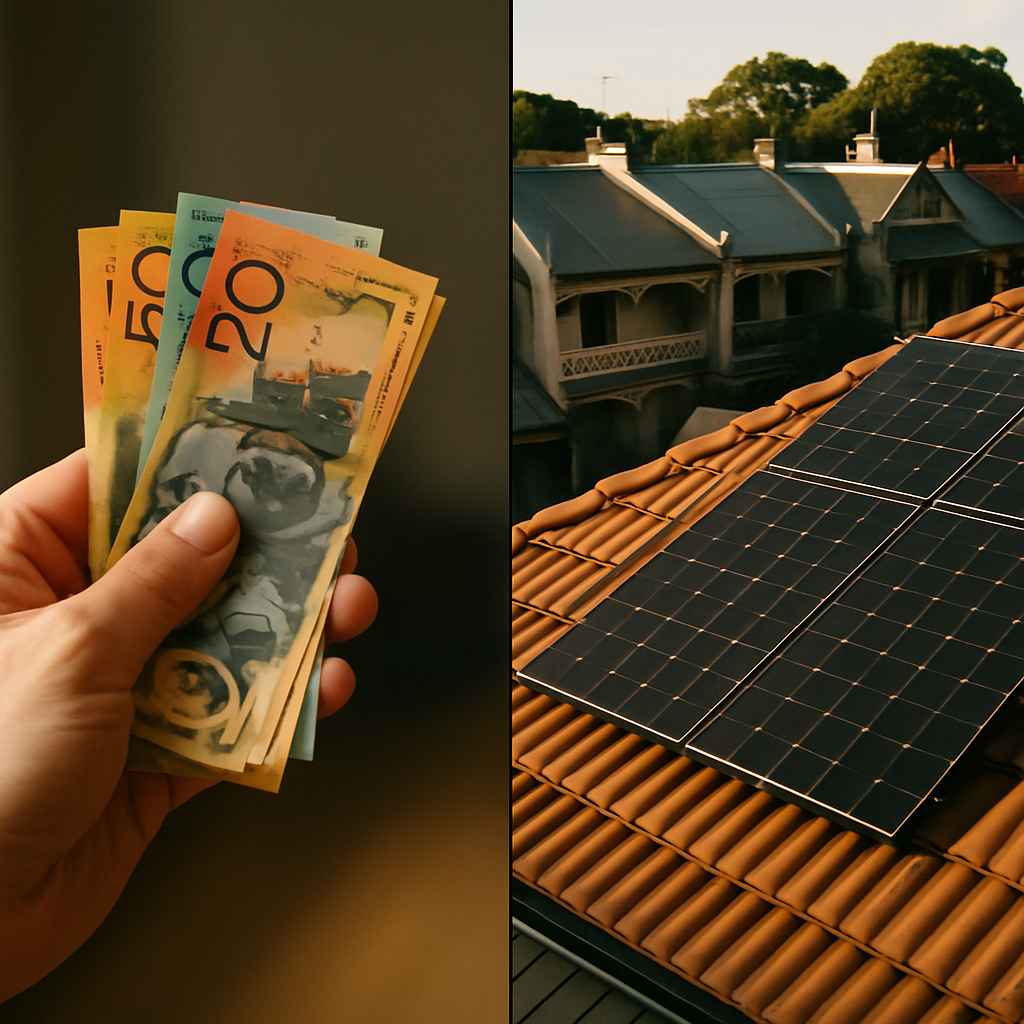
While prices for solar systems have dropped dramatically over the last decade, the exact amount you’ll pay in Paddington depends on a few key variables. As of October 2025, the price for a fully installed residential solar system in the broader Sydney area generally falls between $1,000 to $1,200 per kW after the federal rebate is applied.
Here’s a rough guide to what you can expect for different system sizes:
- A small 3kW system: Often costs between $3,000 and $5,000, suitable for households with lower energy consumption.
- A popular 6.6kW system: This is the most common size for family homes and typically ranges from $4,500 to $9,000.
- A large 10kW system: For homes with high energy usage, expect to pay between $8,000 and $13,000.
Gigi’s pro tip: Remember that these are ballpark figures. Homes in Paddington can have unique installation challenges, such as heritage restrictions, limited roof space, or shading from nearby buildings, which might affect the final cost. An installer will need to conduct a site assessment to give you a precise quote.
What is the average cost of a 6.6kW solar system in Paddington?
For most families, a 6.6kW system hits the sweet spot between cost and energy production. In Sydney, including Paddington, the average cost for a good quality 6.6kW solar setup in 2025 is around $5,000 to $8,500. This price range reflects differences in panel and inverter quality. Cheaper systems might use lower-efficiency components, while premium options offer better performance and longer warranties.
This price typically includes the panels, inverter, mounting equipment, and the complete installation by accredited professionals. It also accounts for the upfront discount from the federal government’s rebate scheme.
What NSW government solar rebates and incentives are available in 2025?
This is where it gets really good. Government incentives are still strong in 2025 and can slash thousands off the initial price.
- The Federal Rebate (SRES): This is the biggest one. It’s officially called the Small-scale Renewable Energy Scheme (SRES) and provides an upfront discount on the cost of your system. For a 6.6kW system in Sydney, this can reduce the price by around $2,000 to $2,500. Installers usually handle the paperwork and include this discount directly in your quote, so you only pay the final amount.
- Local Council Rebates: If you live in Paddington, you’re part of the Randwick City Council area, which offers its own fantastic sustainability rebates. As of late 2024 and into 2025, households can get a rebate of 10% (up to $500) on the cost of rooftop solar panels. This is a great local perk that stacks on top of the federal rebate.
Let’s talk about solar panel installation costs in Sydney
The prices I mentioned earlier are for fully installed systems, which is how almost all solar is sold. The installation itself makes up a significant part of the total cost. In areas like Paddington, installation can sometimes be more complex.
Inner-city rooftops can be smaller, irregularly shaped, or have structural limitations, which might require more planning and specialised mounting solutions. Always ensure your installer visits your property or does a thorough satellite assessment to identify any potential challenges before quoting.
What about solar battery costs and incentives in NSW for 2025?
Adding a battery lets you store your excess solar power to use at night, making you even less reliant on the grid.
- Battery Costs: A home solar battery in Sydney can cost anywhere from $6,000 to $12,000 or more, depending on its capacity and brand. A combined 6.6kW solar system with a 10kWh battery often costs between $10,000 and $15,000.
- Federal Battery Incentive: The big news for 2025 is the Australian Government’s Cheaper Home Batteries Program. This provides a discount of roughly 30% off the cost of an eligible home battery. This incentive is applied at the point of sale by your installer.
- NSW VPP Incentive: While NSW no longer has a separate upfront battery rebate, it now focuses on encouraging participation in a Virtual Power Plant (VPP). A VPP is a network of connected batteries that can share energy with the grid to help stabilise it. By connecting your battery to a VPP, you can receive an upfront payment of up to $1,500 from the NSW scheme, which stacks with the federal discount.
Plus, Randwick City Council offers a separate rebate for batteries: 10% of the installation cost, up to $1,000 for households.
How do solar feed-in tariffs compare in NSW?
A feed-in tariff (FiT) is the small credit you get on your electricity bill for any unused solar energy you send back to the grid. In NSW, these rates are not fixed and vary between electricity retailers.
For 2025-26, the benchmark range set by the Independent Pricing and Regulatory Tribunal (IPART) is 4.8 to 7.3 cents per kWh. Some retailers may offer higher rates, so it’s worth shopping around for a good plan once your solar is installed. However, with FiTs being relatively low, you’ll save the most money by using your solar energy yourself during the day (a concept called self-consumption).
Finding trusted solar panel installers in Paddington

Choosing the right installer is just as important as choosing the right panels. A poor installation can lead to underperformance and safety risks.
When looking for installers who service Paddington:
- Check for Accreditation: Ensure they are accredited with Solar Accreditation Australia (SAA). This is the new standard, replacing the old CEC accreditation, and it’s a must-have.
- Read Reviews: Look for independent customer reviews on websites like Google or ProductReview.com.au.
- Get Multiple Quotes: Services like SolarQuotes or Solar Choice allow you to compare quotes from multiple pre-vetted local installers. This is the best way to get a feel for the market and find a fair price.
If you’re feeling overwhelmed, I can help. I can connect you with a trusted, SAA-accredited local expert to provide a detailed quote for your home.
Are there any hidden costs to be aware of?
For the most part, quotes from reputable installers are all-inclusive. However, there are a few things that could add to the cost:
- Switchboard Upgrade: Older homes may need their switchboard updated to safely handle a solar system, which can cost extra.
- Difficult Roofs: If your roof is particularly steep, made of terracotta tiles, or requires split arrays (panels on different roof sections), there may be additional labour costs.
- Meter Replacement: Your electricity meter will likely need to be reconfigured or replaced to measure two-way energy flow, which can sometimes involve a fee from your energy provider.
What are my solar financing options in NSW?
If the upfront cost is a barrier, there are several ways to finance a solar system:
- Green Loans: Many banks and financial institutions offer specific ‘green loans’ for solar panels, which often have lower interest rates than standard personal loans.
- Adding to Your Mortgage: You may be able to add the cost of the solar system to your home loan. This usually offers the lowest interest rate, but it’s paid over a longer period.
- Buy Now, Pay Later (BNPL): Some solar companies offer interest-free finance options. Be sure to read the fine print carefully to understand any fees or conditions.
What about long-term maintenance costs?
Solar panels are incredibly durable and require very little maintenance. Generally, an annual inspection and clean is recommended to keep them running efficiently, which might cost between $150 to $200. Most systems come with long warranties (often 25 years for panels and 10 years for inverters), but it’s wise to budget a small amount for potential upkeep over the system’s life.
Calculating the solar panel payback period
The payback period is the time it takes for your electricity bill savings to cover the initial cost of your system. In Sydney, with its strong sunshine and fair system prices, the payback period for a 6.6kW system is typically between 3 and 7 years.
You can use an online solar payback calculator to get a more personalised estimate based on your energy use and system size.
Key questions to ask your solar installer before you sign anything
To ensure you’re making a confident decision, here are a few critical questions I always recommend asking:
- Are you accredited by Solar Accreditation Australia (SAA)?
- What brand of panels and inverter are you quoting, and why did you choose them for my home?
- What are the full warranty details for the panels, the inverter, and your installation workmanship?
- Does the quote include everything, or are there potential extra costs like a switchboard upgrade?
- Who handles the warranty claim process if something goes wrong?
- Can you provide an estimate of my system’s annual energy production and my expected savings?
Ready to take the next step?
I know this is a lot of information, but understanding the costs and benefits is the first step toward making a smart investment in your home’s energy future. Solar is a proven way to reduce your bills and live more sustainably, especially in a sunny city like ours.
For a quick, personalised estimate of solar costs and savings for your home, try the free solar assistant on this page—it gives you a ballpark in minutes. If you’re ready for a proper quote, I can introduce you to a trusted, SAA-accredited local expert—just fill out the form below.
