
Fast Read
In Brisbane, the average cost of a 6.6kW solar system in 2025 ranges from approximately $4,500 to $8,500. This price is after the federal Small-scale Renewable Energy Scheme (SRES) rebate has been applied. For homeowners looking to add battery storage, a 6.6kW solar system with a 10kWh battery will typically cost between $12,500 and $21,500. These costs are influenced by the brands of panels and inverters chosen, such as Jinko or REC panels and Sungrow or Fronius inverters, as well as new federal government incentives like the Cheaper Home Batteries Program, which offers significant rebates on battery installations.
Breaking down the average cost of a 6.6kW solar system in Brisbane
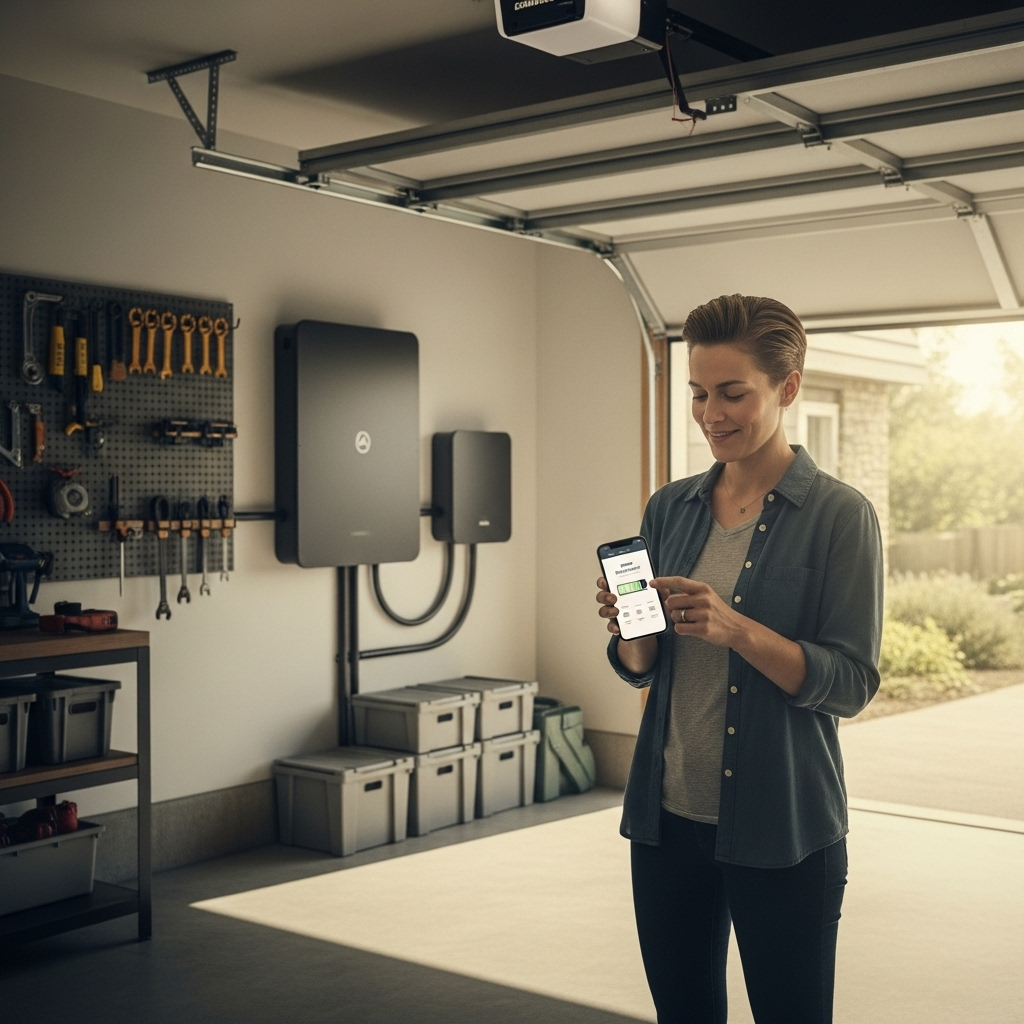
When investing in solar for your Brisbane home, understanding the price is the first step. For a standard 6.6kW system, which is the most popular size for the average Australian household, you can expect to pay between $4,500 and $8,500 in 2025. This typical price range accounts for the federal government rebate, which is deducted upfront by your installer.
Several key factors influence where your quote will fall within this range:
-
Component Quality: The brands you choose for your solar panels and inverter make a significant difference. Premium brands generally come with a higher price tag but often offer better performance and longer warranties.
-
Installer Expertise: The complexity of the installation can affect the final cost. Factors like a multi-storey house or a tile roof can increase labour costs compared to a standard single-storey, tin-roof installation.
-
Market Competition: Brisbane has a competitive market for solar installers, which helps keep prices reasonable for homeowners.
From my analysis of dozens of system quotes, systems at the lower end of the price scale often use budget-friendly components, while those at the higher end feature premium panels and inverters.
Solar panel and inverter prices: What to expect in 2025
The heart of your solar system is its panels and inverter, and their quality will directly impact both the upfront cost and the long-term performance.
Comparing solar panel brands and tiers
Solar panels are generally categorised into tiers based on quality, performance, and the manufacturer’s reputation.
-
Premium (Tier 1): Brands like REC and SunPower are at the top end. They offer high efficiency and robust, long-term warranties.
-
Great Value (Tier 1): Brands like Trina, Jinko, and Canadian Solar provide a fantastic balance of performance and affordability, making them popular choices for residential installations.
-
Budget: While more affordable, some budget panels may come with shorter warranties or lower efficiency.
In a direct comparison, brands like LONGi often have a slight edge in efficiency over Jinko, which may make them a better long-term investment, though Jinko panels are typically more affordable upfront.
Price comparison of popular solar inverters
The inverter converts the solar energy your panels produce into usable electricity for your home. It’s a critical component, and choosing the right one is essential. Two of the most popular brands in Australia are Fronius and Sungrow.
| Feature | Sungrow | Fronius |
|---|---|---|
| Price Range | $1,800 – $3,800 | $3,000 – $5,300+ |
| Key Benefit | Excellent value, high efficiency | Premium quality, advanced features |
| Best For | Budget-conscious buyers | Long-term investment, maximum durability |
Data sourced from multiple industry reports for 2025.
Sungrow offers a faster payback period due to its lower upfront cost, while Fronius is renowned for its European engineering, durability, and a longer expected lifespan of over 15 years. A common mistake I see homeowners make is focusing only on the panel brand, but the inverter is just as crucial for the system’s overall performance and longevity.
Government rebates and incentives available in 2025
One of the biggest factors making solar affordable in Australia is government support. Homeowners in Brisbane can access incentives at both the federal and state levels.
Federal solar rebates (SRES Scheme)
The primary federal incentive is the Small-scale Renewable Energy Scheme (SRES). This scheme provides an upfront discount on the cost of your solar system. For an average 6.6kW system in 2025, this rebate can be worth around $2,200. This isn’t a cash handout; instead, your solar installer claims it on your behalf and deducts the amount directly from your invoice.
The new federal battery rebate
A significant development for 2025 is the federal government’s Cheaper Home Batteries Program. Launched on 1 July 2025, this program offers a substantial rebate on the cost of a new solar battery.
-
Rebate Value: It can provide a discount of up to 30%, or around $4,000, off the cost of a typical 10-13.5kWh battery.
-
Eligibility: The rebate is available to homeowners installing a new battery with a new or existing solar system.
Queensland solar incentives
While Queensland does not currently have a state-wide solar panel rebate for all homeowners, there have been programs targeted at specific groups, like landlords, to encourage solar adoption on rental properties. It’s always best to check for the latest local incentives with your installer. I spoke with a Solar Accreditation Australia (SAA) accredited installer last week, and they highlighted that these programs can change, so getting up-to-date advice is key.
The cost of a 6.6kW solar system with battery storage
Adding a battery to your solar system allows you to store the excess energy you generate during the day for use at night, dramatically increasing your energy independence.
In Brisbane, the cost of a 6.6kW solar system combined with a medium-sized battery (around 10kWh) typically ranges from $12,500 to $21,500. This price includes the system, battery, installation, and all rebates. A standalone battery can add between $8,000 and $13,000 to the total cost before the new federal battery rebate is applied.
With the new battery rebate of up to $4,000, the financial case for adding storage has never been stronger.
Case Study: A Family in The Gap The Kumar family was facing quarterly power bills of over $600. They installed a 6.6kW system with Trina panels and a 10kWh Sungrow battery for a total cost of $15,500. After the federal battery rebate, their outlay was closer to $11,500. Their annual savings are now over $2,200, putting them on track for a payback period of just over 5 years, and their last bill was only the daily grid connection fee.
Understanding solar feed-in tariffs in South East Queensland
A feed-in tariff is the credit your electricity retailer pays you for any unused solar power that gets exported back to the grid. In South East Queensland, including Brisbane, the market is deregulated, meaning retailers offer competitive rates.
While rates can vary, in 2025 they typically sit between 6c and 10c per kWh. Although lower than they once were, a feed-in tariff still helps to reduce your overall electricity bill and accelerate the payback period of your system.
Gigi’s Pro Tip: Don’t choose an electricity retailer based on the highest feed-in tariff alone. Some retailers offer high tariffs but charge more for the electricity you import from the grid. Always look at the whole package to find the best value for your household.
Is a 6.6kW system the right choice for your home?
A 6.6kW system is the most popular size in Australia for good reason. It generates around 24-27 kWh per day in Brisbane, which is often enough to cover the daily energy needs of a typical family home.
This system size hits the sweet spot of being large enough to make a real dent in your bills while remaining affordable. It’s also perfectly sized to be paired with a 10-13.5kWh battery, allowing you to move towards energy independence.
If you’re ready to explore how a 6.6kW solar system could work for your home, I can connect you with a trusted local expert. Just fill out the form below to get a clear, no-obligation quote.