
Fast Read
For Hobart homeowners, the best value solar battery in 2025 is typically a 10kWh system, costing between $9,000 and $14,000 fully installed. Look for models with excellent cold weather performance, like the Tesla Powerwall 3 or modular Sungrow SBR series, which operate efficiently in Hobart’s cooler temperatures. Pairing a battery with Aurora Energy’s time-of-use tariffs allows you to store solar energy during the day and avoid peak electricity rates of over 35c/kWh in the evening. With the federal solar battery rebate reducing the upfront solar batteries cost by around 30%, a well-chosen system can achieve a payback period of 5-7 years and slash your power bills.
Best value solar batteries for Hobart’s climate and tariffs.
How Hobart’s climate impacts your battery choice
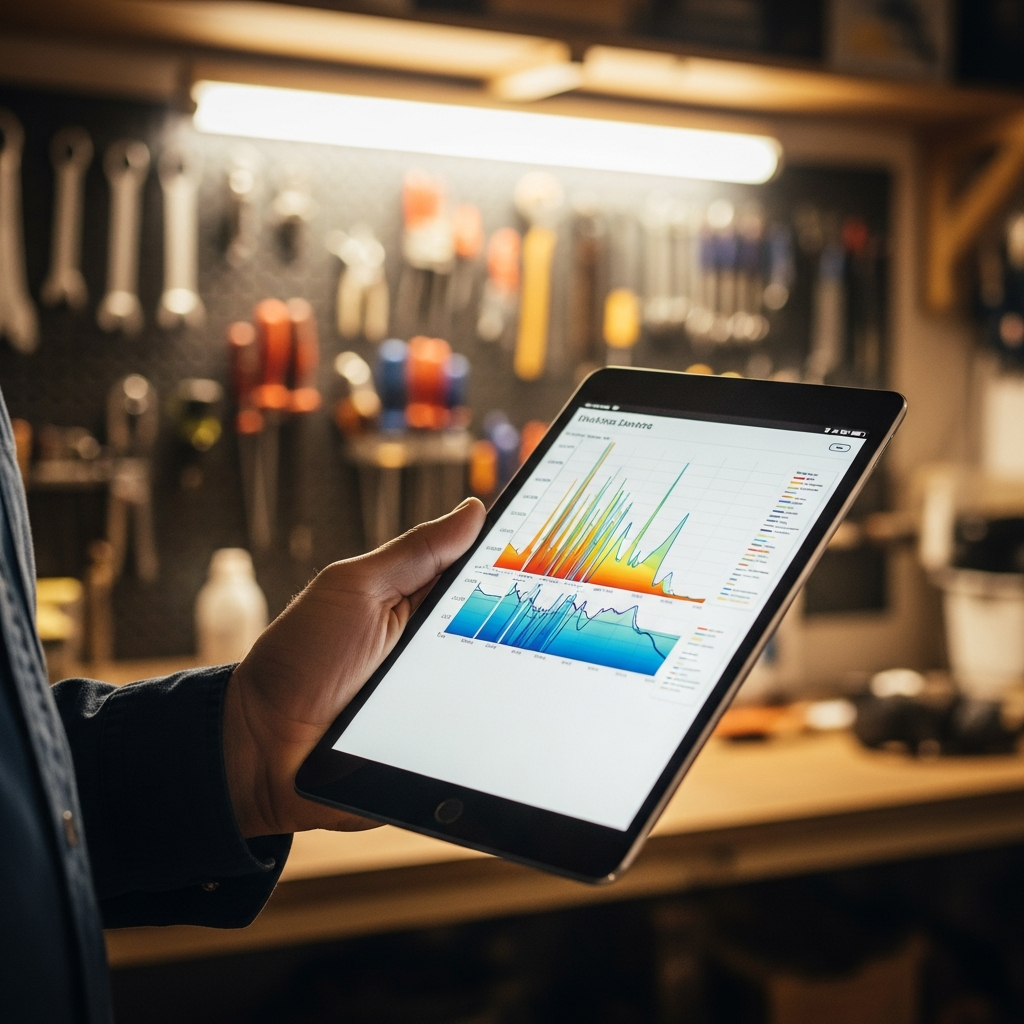
Choosing a solar battery in Hobart isn’t the same as in warmer parts of Australia. The two biggest factors I always analyse for Tasmanian homes are the lower winter sunshine hours and, most importantly, the colder temperatures.
Winter in Hobart means average daily temperatures can hover between 5 and 12°C, with overnight temperatures often dropping close to freezing. While we don’t have the extreme cold of some parts of the world, these temperatures can still affect a battery’s performance.
Most home batteries use lithium-ion chemistry, and their efficiency can dip when the mercury falls. A battery installed in an uninsulated garage or on a cold southern wall might not charge or discharge as effectively as it would at its optimal temperature. This is why checking the manufacturer’s technical data sheet for the “operating temperature range” is a critical step I never skip.
Best solar batteries for cold weather in Australia
Fortunately, modern battery technology has come a long way. Many of the best home batteries for solar are engineered to handle a wide range of climates, including Hobart’s. The key is to look for models with a robust thermal management system and a wide operating temperature range.
From my analysis of the current market, here are some excellent options that perform well in cooler conditions:
| Feature | Tesla Powerwall 3 | Sungrow SBR (Modular) | GoodWe Lynx F PLUS+ |
|---|---|---|---|
| Usable Capacity | 13.5 kWh | 9.6 kWh – 25.6 kWh | 6.6 kWh – 16.4 kWh |
| Chemistry | Lithium-Ion | Lithium Iron Phosphate (LFP) | Lithium Iron Phosphate (LFP) |
| Operating Temp. | -20°C to 50°C | -20°C to 50°C (Discharging) | -20°C to 50°C (Discharging) |
| Warranty | 10 Years | 10 Years | 10 Years |
The Tesla Powerwall 3 is designed to operate in temperatures as low as -20°C and even has an internal heating mode to keep the cells at an optimal temperature for charging when it’s near freezing. Sungrow and GoodWe, both using safe LFP chemistry, also have excellent low-temperature performance for discharging power to your home. Gigi’s Pro Tip:When you look at an operating temperature range, pay close attention to whether it specifies “charging” or “discharging”. Some batteries can safely discharge power in sub-zero temperatures but cannotchargefrom your solar panels until the cells warm up above 0°C. A quality battery with good thermal management minimises this issue.
Understanding Hobart electricity tariffs and the cost of solar batteries
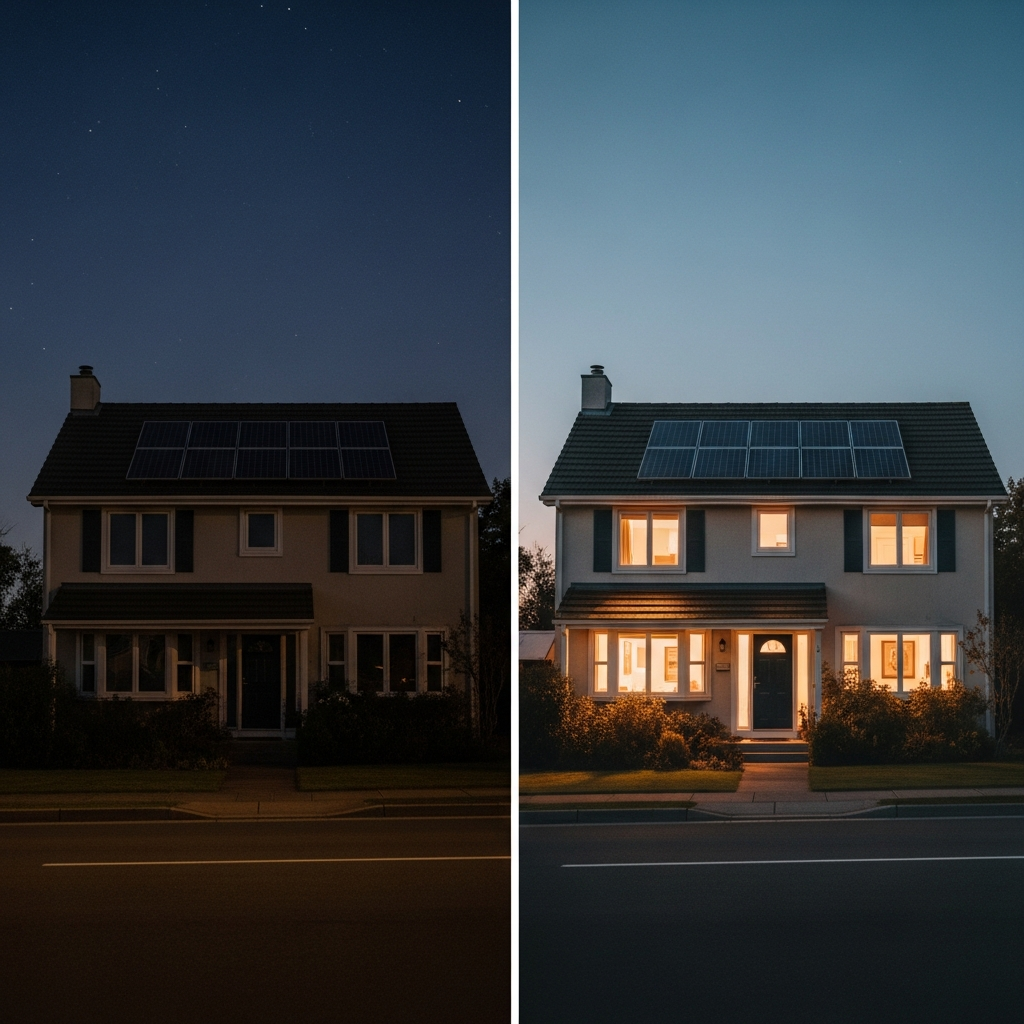
This is where a solar battery really starts to make financial sense in Tasmania. The main electricity retailer, Aurora Energy, has time-of-use tariffs that are almost perfectly designed to maximise battery savings.
Under the common ‘Tariff 93’, you pay different rates for electricity depending on the time of day:
-
Peak: A high rate (over 35c/kWh) during morning and evening rush hours (7am-10am & 4pm-9pm, Mon-Fri).
-
Off-Peak: A much lower rate (around 16c/kWh) for all other times, including overnight and all weekend.
Without a battery, your solar panels generate lots of energy during the day when electricity is already cheap. Then, in the evening when your panels switch off, you’re forced to buy expensive grid power right at the peak time.
A battery completely flips this scenario. You can store all your excess solar energy during the day and use it for free during the expensive evening peak, drastically reducing your reliance on the grid. This strategy of “self-consumption” is far more valuable than the solar feed-in tariff, which is currently less than 9c/kWh.
The upfront price of solar batteries for homes can seem high, but the savings are substantial. In 2025, a quality 10kWh home battery for solar will typically have an installed cost between $9,000 and $14,000 before any rebates.
Case Study: A Family in West Hobart The Miller family was struggling with quarterly power bills often exceeding $700, especially in winter. They installed an 8kW solar panel system with a 13.5kWh Tesla Powerwall 3. The total cost was around $18,000, but after the federal battery rebate, their outlay was closer to $14,000. By using their stored solar energy every evening and avoiding peak tariff charges, their annual savings are now over $2,400. This puts them on track for a payback period of under 6 years, and their last bill was almost entirely the fixed daily supply charge.
Are there solar battery rebates in Tasmania?
Yes, absolutely. While Tasmania doesn’t currently have its own state-level solar battery rebate, all homeowners are eligible for the crucial federal government incentive.
The program is an expansion of the Small-scale Renewable Energy Scheme (SRES) and is sometimes called the ‘Cheaper Home Batteries Program‘. It works by providing a significant point-of-sale discount on the upfront cost of your battery. The discount is based on the storage capacity of the battery, but for a typical 10kWh system, it can reduce the price of solar batteries by around $3,300 to $3,700.
A common mistake I see homeowners make is waiting for a better deal. This federal incentive is designed to step down over time, so acting sooner provides a larger discount.
Finding a qualified installer in Hobart
The final piece of the puzzle is the installation itself. A battery is a complex piece of electrical equipment that needs to be installed correctly to ensure safety, performance, and warranty validation.
I cannot stress this enough: always use an installer accredited by Solar Accreditation Australia (SAA). SAA is the leading body ensuring that designers and installers are fully qualified, up-to-date with the latest Australian standards, and committed to safe practices. Asking for proof of an installer’s SAA accreditation is a simple check that provides immense peace of mind.
Getting a few quotes is always a good idea, but don’t just choose on price. A good installer will analyse your energy bills, discuss your goals, and recommend a system that is perfectly sized for your home and lifestyle.
If you’re feeling overwhelmed and want to make a confident decision, I can help. I can connect you with a trusted local expert who can provide a clear, no-obligation quote for a system tailored to your home. Just fill out the form below to get started.
