
Fast Read
For a typical 4-bedroom house in Brisbane, a 6.6kW solar system is the most common and cost-effective starting point, often paired with a 5kW inverter. However, if your energy consumption is high—due to things like ducted air conditioning, a pool pump, or plans for an electric vehicle—a larger 10kW system may be a better long-term investment. The right solar system for a 4-bedroom house in Brisbane depends entirely on your electricity usage, roof space, and future energy goals.
I get this question all the time: “I’ve got a 4-bedroom house, what size solar system do I need?” It’s a great question, but the number of bedrooms is more of a clue than a final answer. The real driver behind choosing the right solar system is your household’s electricity consumption.
Let’s walk through how to figure this out for your Brisbane home, so you can feel confident you’re making a smart, long-term investment.
What is the average electricity consumption for a 4-bedroom house in Brisbane?
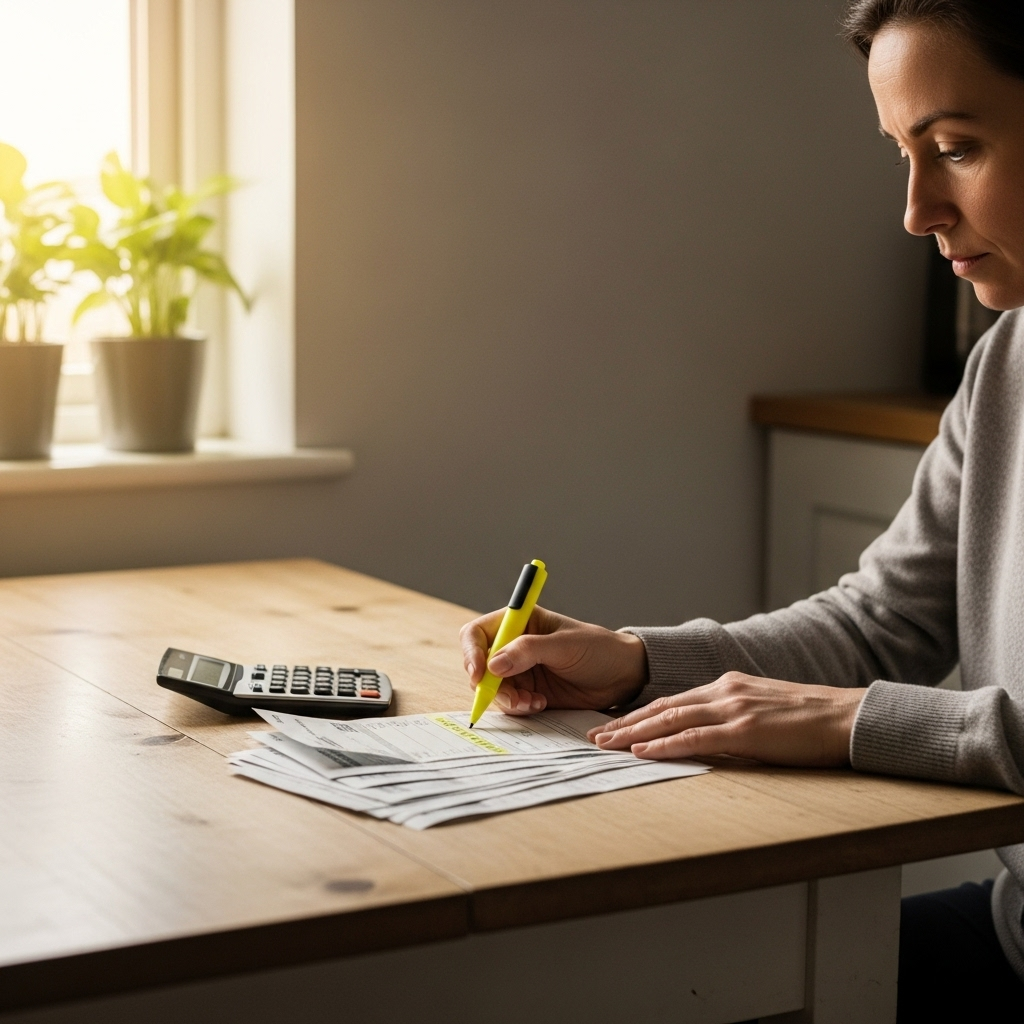
The first step is to become a detective and investigate your power bills. Your electricity retailer can provide you with your average daily usage, usually measured in kilowatt-hours (kWh).
Based on government benchmark data, a 4-person household in Brisbane typically uses between 1,800 kWh and 2,100 kWh per quarter. This breaks down to an average daily usage of roughly 20-23 kWh. However, this is just an average. If you have a swimming pool, ducted air conditioning, or are home all day, your usage could be significantly higher. On the flip side, a gas hot water system and cooktop will lower your electricity needs.
- Gigi’s pro tip: Grab your last four quarterly power bills. Add up the total kWh used over the year and divide by 365. This will give you your true average daily consumption, smoothing out seasonal peaks (like summer air-con use) and giving you the most accurate number to work with.
How do I size a solar power system for my home in Australia?
Sizing a solar system isn’t just about matching your total daily usage. The goal is to generate enough power to offset as much of your daytime energy consumption as possible, as this is when you’ll see the biggest savings.
Here’s a simple way to get a rough idea:
- Check your average daily usage: Look at your power bill for your “average daily use” in kWh.
- Estimate generation: In sunny Brisbane, a well-positioned solar system will generate, on average, around 4 to 4.5 kWh of electricity per day for every 1 kW of solar panels installed.
- Do the maths: Divide your average daily kWh usage by 4. This gives you a starting point for the system size in kW.
For a household using 22 kWh per day: 22 kWh / 4 = 5.5 kW.
This is why the 6.6kW system is the most popular size for Australian homes; it comfortably covers the average family’s daytime usage and hits a sweet spot for cost and rebates. However, with the trend towards home electrification (like EV charging and induction cooktops), many people are now considering larger systems if they have the roof space.
What is the ideal solar system for a 4-bedroom house Brisbane needs?
For most 4-bedroom homes in Brisbane, the choice boils down to two main sizes: 6.6kW or 10kW.
A 6.6kW solar system is the most commonly installed residential size in Australia. It’s perfect for families with an average daily electricity consumption of 20-25 kWh. It strikes an excellent balance between upfront cost and energy production, offering a quick return on investment.
A 10kW solar system is a better fit for households with higher energy needs—think daily usage of 30 kWh or more. This could be you if you have:
- Ducted air conditioning running frequently
- A swimming pool pump
- An electric vehicle (or plan to get one)
- A fully electrified home (no gas appliances)
A 10kW system will provide greater energy independence and help future-proof your home against rising electricity prices.
How much does a 6.6kW solar system cost in Brisbane?
As of October 2025, you can expect the price of a good quality, fully installed 6.6kW solar system in Brisbane to be between $5,000 and $8,800. Budget-friendly options might sit closer to $4,500, while premium systems using high-efficiency panels and top-tier inverters could be at the higher end of that range.
This price is after the federal government’s STC rebate has been applied, which typically saves you a few thousand dollars off the upfront cost.
And what about a 10kW solar system price in Brisbane?
For a larger 10kW solar system in Brisbane, the price typically ranges from $8,000 to $12,000 after the federal rebate. A system with battery storage will cost more, usually between $20,000 and $26,000 for a 10kW system with a 10kWh battery.
Finding the best solar installers in Brisbane
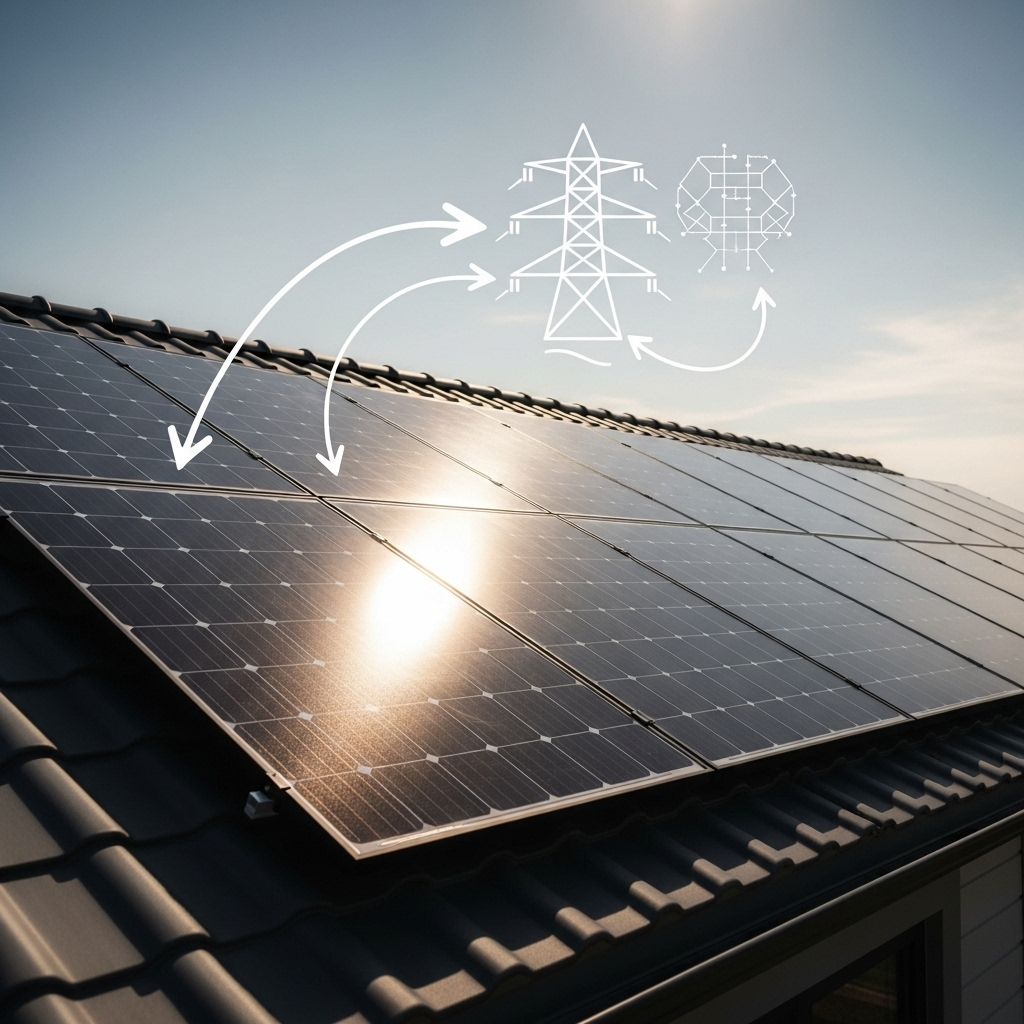
Choosing a quality installer is just as important as choosing good panels. A poor installation can lead to underperformance and safety issues. When looking for an installer, always check for genuine customer reviews and, most importantly, ensure they are Solar Accreditation Australia (SAA) accredited. This is the new standard for excellence and safety in the industry. Do not rely on the outdated Clean Energy Council (CEC) accreditation for new installations.
Some well-regarded installers in the Brisbane area include MC Solar & Electrical, Optimum Solar Energy, and Green Solar Brisbane. However, I always recommend getting at least three quotes from different SAA-accredited installers to compare their recommendations and pricing for your specific home.
If you’d like a hand with this, I can connect you with trusted, SAA-accredited local experts. Just fill out the form at the bottom of the page.
Understanding government rebates and incentives
Federal Government STC Rebate: The biggest financial incentive is the Small-scale Renewable Energy Scheme (SRES), which provides Small-scale Technology Certificates (STCs). This isn’t a cash-back offer; your installer claims the certificates on your behalf and applies their value as a point-of-sale discount on your quote. This rebate reduces each year, so the sooner you install, the more you save.
Queensland Government Incentives: While Queensland does not currently have a state-wide solar panel rebate scheme, it’s always wise to check for any new programs that may become available.
What are the solar feed-in tariffs in Brisbane?
When your system produces more electricity than you’re using, the excess power is sent back to the grid. The credit you receive from your electricity retailer for this is called a feed-in tariff (FiT).
In South East Queensland (the Energex network), FiT rates are not fixed and vary between retailers. As of late 2025, rates can range from 3c to 12c per kWh. While a high FiT is nice, it’s more important to focus on self-consumption—using the solar power yourself—as the savings you make by not buying electricity from the grid (at ~30c/kWh or more) are far greater than the credit you get for exporting it.
Is solar battery storage worth the cost in Brisbane?
A solar battery allows you to store your excess solar energy generated during the day for use at night, reducing your reliance on the grid even further.
In 2025, the cost of a quality 10kWh battery, fully installed in Brisbane, is typically between $8,500 and $14,000. A new federal government scheme, the Cheaper Home Batteries Program, can reduce this cost by around 30%. Even with this assistance, the payback period for a battery is longer than for panels alone, often around 7 to 12 years.
For many, the decision is less about immediate financial payback and more about energy security and independence.
What is the return on investment for solar panels in Brisbane?
With Brisbane’s abundant sunshine and the current cost of electricity, the return on investment for a solar panel system is excellent. Most homeowners can expect a payback period of between 3 and 5 years. After the system has paid for itself, the energy it generates is essentially free, leading to significant savings over the 25-plus year lifespan of the panels.
Ready to take the next step?
Choosing the right solar system is a big decision, but it’s one of the best investments you can make for your home and your wallet. By understanding your energy usage and your future needs, you can select a system that will serve you well for decades.
For a quick, personalised estimate of solar costs and savings for your home, you can try the free solar assistant on this page. If you’re ready for a proper quote, I can introduce you to a trusted, SAA-accredited local expert—just fill out the form below.