
Fast Read
Regular solar system maintenance in QLD is key to ensuring your investment is safe, efficient, and lasts for its full lifespan. While you can perform simple visual checks from the ground, professional servicing by an accredited technician is essential for safety and performance. This typically involves cleaning panels, inspecting wiring, and testing your inverter to catch any potential faults early.
As much as we love Queensland’s sunshine, the intense heat, coastal salt spray, and wild storm season can be tough on our solar power systems. I often get asked if solar panels are a ‘set and forget’ investment, and the honest answer is not quite. A little bit of regular care goes a very long way.
Think of it like your car—it’s a reliable workhorse, but it still needs a service to keep it running safely and efficiently. Looking after your solar system ensures you’re getting the maximum savings on your power bills and protects your home from potential hazards. Here’s what I’ve learned about keeping a solar system happy and healthy in the Sunshine State.
What are the benefits of regular solar maintenance in QLD?
It’s easy to overlook maintenance when your system seems to be working fine, but there are some big upsides to scheduling a regular check-up. The Queensland climate, with its high humidity, summer heat, and cyclone risk, makes proactive care especially important.
The key benefits are:
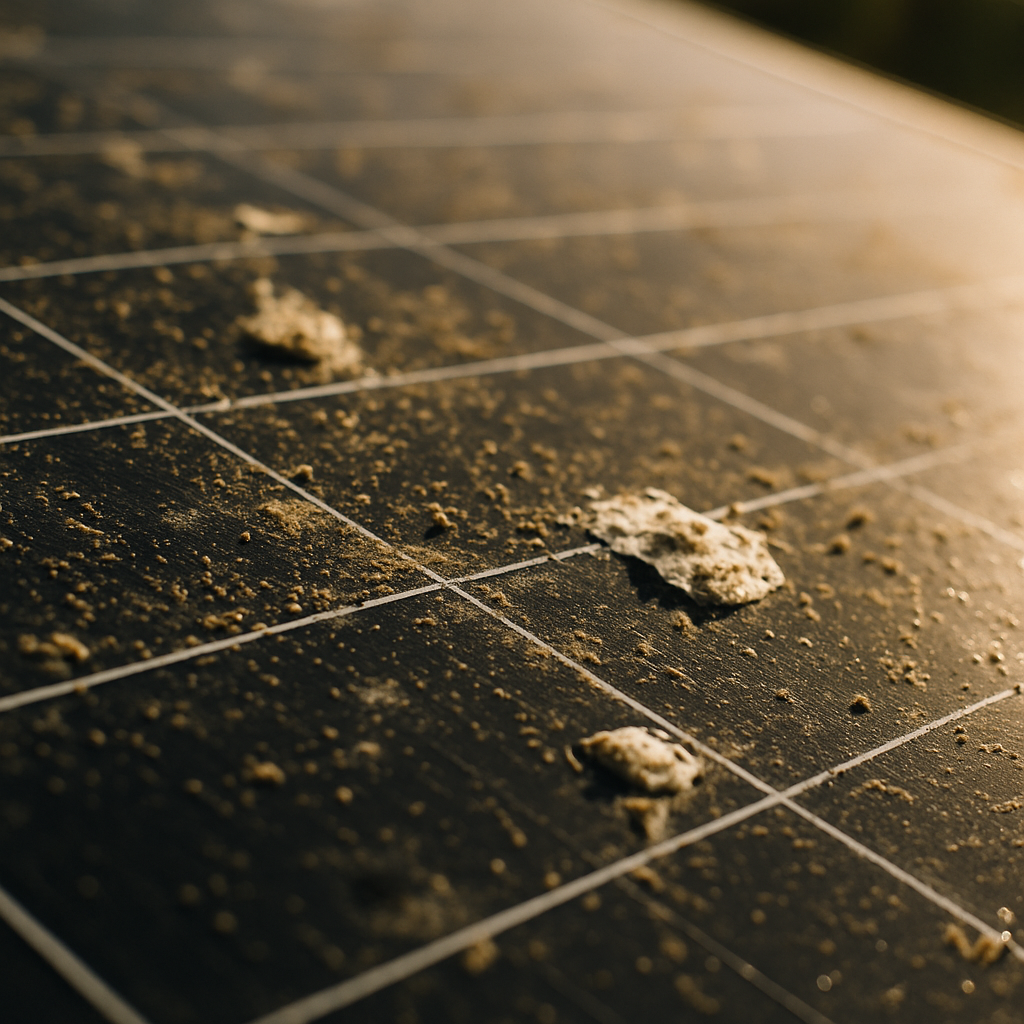
- Maximised energy production: Dirt, dust, bird droppings, and salt residue can build up on your panels, reducing their efficiency. Professional cleaning can make a noticeable difference in how much power your system generates.
- Improved safety: Over time, components can degrade due to weather exposure. Regular inspections can identify frayed wiring, cracked isolator switches, or water ingress before they become serious electrical or fire hazards.
- Longer system lifespan: Catching small issues early prevents them from turning into major failures. A well-maintained system is more likely to reach its expected 25-year lifespan.
- Warranty compliance: Many manufacturer warranties require you to follow a reasonable maintenance schedule. Neglecting your system could potentially void your warranty if a fault occurs.
Your essential solar panel maintenance checklist for Queensland
I recommend a two-part approach: simple checks you can do yourself from the ground, and a comprehensive inspection that you should always leave to a professional.
Gigi’s DIY check (from the ground only)
The Queensland Government recommends homeowners visually inspect their system from the ground periodically. Here’s what to look for:
- Inverter lights: Check that the inverter is showing a green light during the day. A red or orange light often signals a fault.
- Panel condition: Look for any obvious build-up of debris, like bird droppings or tree sap. Also, check for any visible cracks, discolouration, or signs that the panels are no longer securely fastened to the roof.
- Wiring and casings: See if any wiring looks damaged or if the plastic casings on your isolator switches appear cracked or weathered.
If you spot any of these issues, it’s time to call a professional.
Professional maintenance checklist
A proper service should be done by a licensed electrician, preferably one accredited by Solar Accreditation Australia (SAA). Their check should include:
- Cleaning the panels to remove any grime and build-up.
- Ensuring all fittings, cables, and mounting brackets are secure and free from corrosion.
- Testing that switches and electrical components are operating correctly.
- Checking that vents are clear of debris.
- Making sure wiring has not deteriorated or been damaged.
- Confirming the inverter is functioning correctly and has no recorded faults.
What are the most common solar system faults in QLD?
Our climate definitely throws some unique challenges at our solar systems. I spoke with an SAA-accredited installer who told me the most common issues they see in Queensland are:
- Inverter faults: As the hardest-working part of your system, the inverter is often the first component to fail. Queensland’s heat can increase electrical resistance and put extra strain on them. Error codes or a persistent red light are tell-tale signs of a problem.
- Degraded DC isolators: These rooftop safety switches are constantly exposed to harsh UV rays and rain. Over time, their plastic casings can crack, allowing water to get in, which is a major fire risk.
- Corrosion: For those of us living near the coast, salt spray can corrode mounting frames and electrical connections, leading to a drop in power.
- Weather damage: Intense storms, hail, and cyclones can loosen or crack panels and damage wiring. It’s always a good idea to do a visual ground check after a severe weather event.
- Hot spots: These can occur due to dirt build-up or manufacturing defects, causing certain cells to overheat and degrade faster, which can reduce the panel’s efficiency and even become a fire risk.
Understanding the costs of solar system maintenance in QLD
Solar maintenance costs can be broken down into a few key areas. It’s helpful to know what to expect so you can budget accordingly.
How much does solar panel cleaning cost in QLD?
For a professional clean, you can expect to pay between $10 to $12 per panel. So for a standard 20-panel system, you might be looking at around $200 to $250. Some companies offer a flat rate, which can range from about $150 for a small system to over $400 for a larger, more complex one. The final price often depends on the size of your system, how dirty the panels are, and how easy it is to access your roof.
What is the solar inverter maintenance cost in Queensland?
A general solar system inspection and service, which includes checking the inverter, typically costs between $150 and $300. If a fault is found with the inverter, simple repairs like replacing an external switch could be as low as $80, while more complex internal repairs might range from $195 to $450. If the inverter needs to be replaced entirely, costs can range from $1,500 to $4,000, depending on the brand and size.
Navigating the regulations and safety guidelines
While the Queensland Government doesn’t legally require homeowners to have their solar systems inspected, they strongly recommend it for safety and performance reasons.
WorkSafe QLD solar panel maintenance guidelines
WorkSafe QLD considers the maintenance of solar panels to be ‘construction work’. This means that any professional working on your system must follow strict safety protocols, especially regarding working at heights and electrical safety. They are required to have a safe work method statement prepared for the job. This is for your protection as much as theirs.
From 1 January 2025, new rules also apply for anyone entering a domestic roof space. A person conducting a business or undertaking (PCBU) must ensure the building’s electrical installations are de-energised before a worker enters the roof space. Because solar panel cables remain energised even when the main switch is off, this is considered a “prescribed circumstance” that requires a specific risk assessment.
The serious risks of DIY solar panel maintenance in Australia
I cannot stress this enough: never get on your roof to clean or repair your solar system yourself. The risks are incredibly high.
- Electrical hazards: Your solar system produces high-voltage DC electricity, even when it’s switched off at the inverter. Faulty wiring or water ingress can create a serious risk of electric shock or electrocution.
- Working at heights: Cleaning panels involves water, which makes a roof surface extremely slippery and dangerous. A fall can have devastating consequences.
- Voiding your warranty: Most manufacturers will void your panel or inverter warranty if damage is caused by improper, non-professional maintenance.
- Damaging your panels: Using high-pressure washers or harsh chemicals can cause micro-cracks or damage the anti-reflective coating on your panels, permanently reducing their efficiency.
How to choose a solar maintenance provider in Queensland
Finding the right person for the job is crucial for your peace of mind. Here’s what to look for when choosing a provider for your solar system maintenance in QLD.
- Accreditation is key: Always choose a licensed electrician with experience in solar systems. Critically, ensure they are accredited by Solar Accreditation Australia (SAA). This is the current industry standard, replacing the old CEC accreditation, and it ensures the technician is up-to-date with Australian standards.
- Check for insurance: Make sure they have current public liability insurance.
- Ask for a detailed checklist: A reputable provider will be able to tell you exactly what their service includes. It should align with the professional checklist I mentioned earlier.
- Local experience: A local company will be familiar with Queensland-specific issues like managing summer heat and protecting against storm damage.
- Get multiple quotes: It’s always wise to compare prices and services from a few different providers.
Ready to look after your solar investment?
Keeping your solar system in top shape doesn’t have to be complicated. A simple visual check from you every now and then, combined with a professional service every few years, is the best way to protect your investment. It ensures your system is producing the maximum amount of clean energy, keeping your power bills down and your home safe.
If you’re unsure about your system’s performance or it’s been a while since its last check-up, I can introduce you to a trusted, SAA-accredited local expert—just fill out the form below.
